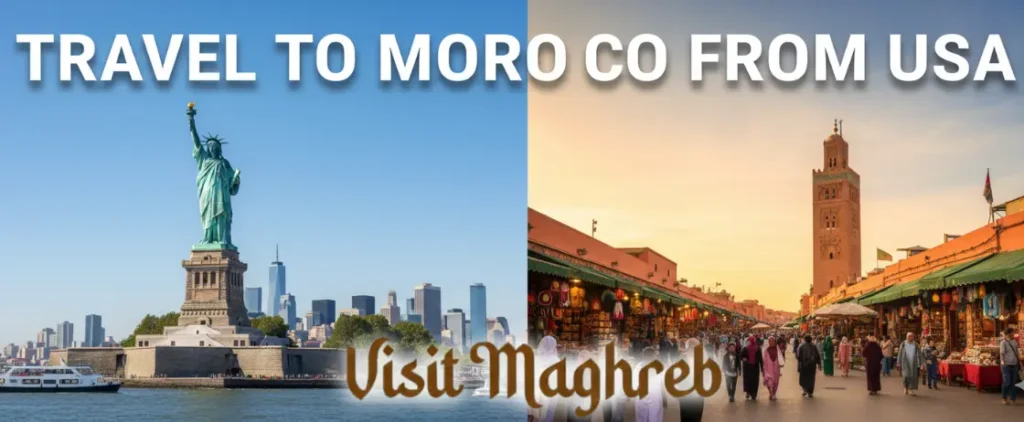
Have you ever dreamed of wandering through ancient cities where the air smells of spices and the sounds of bustling markets fill your ears? That pull toward adventure—the desire to experience something truly different—is what brings many Americans to consider a journey to this captivating North African destination.
The good news is that planning your adventure is more straightforward than you might think. As of 2025, the Moroccan government has reopened its borders to international visitors from the United States. They’ve relaxed many restrictions while maintaining sensible health measures to ensure everyone’s safety.
For US citizens, the process is remarkably simple. You can visit for tourism purposes without needing a visa, provided your stay is under 90 days. This makes spontaneous getaways or carefully planned explorations equally feasible.
Major airlines like Delta, American Airlines, and British Airways provide regular service to key airports such as Casablanca (CMN) and Marrakech (RAK). The country offers stable political conditions and is considered safe for American tourists, with locals known for their warm hospitality toward visitors.
This comprehensive resource will walk you through every essential detail—from understanding entry requirements to navigating local customs. Whether you’re drawn to ancient medinas, mountain treks, or desert landscapes, we’ll help you prepare for an unforgettable experience in this diverse nation.
Key Takeaways
- Morocco welcomes US citizens for visa-free stays up to 90 days for tourism
- The country maintains safety protocols while offering accessible entry for American visitors
- Major international airlines service airports in Casablanca and Marrakech
- Political stability and welcoming locals make Morocco a secure destination
- Proper planning ensures you can fully experience the country’s diverse landscapes and rich culture
- This guide covers everything from flights and entry requirements to local customs and destinations
Getting Started with Your Moroccan Adventure
Your exploration of this North African gem starts with understanding what makes it such a captivating destination. This guide helps you begin your planning trip with confidence.
Why You’ll Love Morocco
This country offers incredible diversity that creates a memorable experience. You’ll find bustling medinas filled with centuries of history alongside serene mountain landscapes.
The cultural blend is truly unique. Arab, Berber, and European influences create a fascinating tapestry. Major cities like Fes, Casablanca, and Marrakech each offer distinct character.
Ancient architecture meets modern energy in ways that delight visitors. The sensory experience includes aromatic spice markets and intricate artistic details.
Essential Pre-Trip Considerations
Timing your visit is crucial for the best experience. Spring (March-May) and fall (September-November) provide ideal weather conditions.
These seasons avoid extreme summer heat and winter rains. You’ll also encounter fewer crowds at popular destinations.
Consider cultural events and religious holidays like Ramadan. Understanding local customs enhances your trip significantly.
Proper planning ensures you can fully appreciate the country’s rich history and vibrant culture. This makes your visit morocco truly unforgettable.
Travel to Morocco from USA: Entry Requirements and Visas
Your journey begins with mastering the administrative requirements for crossing into Moroccan territory. Understanding these protocols ensures a smooth entry process.
Passport Validity and Visa Exemptions
American tourists enjoy straightforward entry requirements. Your passport must remain valid for at least six months beyond your planned departure date.
Visitors from the United States can stay up to 90 days without a visa. This applies to tourism, business, and family visits. The generous timeframe allows ample exploration.
| Visitor Type | Passport Validity | Visa Required | Maximum Stay |
|---|---|---|---|
| Tourist | 6+ months | No | 90 days |
| Business | 6+ months | No | 90 days |
| Long-term | 6+ months | Yes | Varies |
Health Protocols and COVID-19 Regulations
Health requirements have significantly relaxed. Travelers should verify current protocols before departure.
Make sure to check for any vaccination or testing requirements. Most visitors experience simple temperature checks upon arrival. These safety measures protect everyone.
Travelers from many countries find the entry process efficient. The streamlined system welcomes international visitors while maintaining reasonable safety standards.
Planning Your Flight and Local Transportation
Smart transportation planning is the backbone of a well-organized itinerary. Your choices affect your budget, time, and overall experience.
Understanding the available flight and ground options empowers you to build a seamless journey.
Finding the Best Flight Options
Your international flight will likely land at Casablanca (CMN) or Marrakech (RAK). Major carriers like Delta and American Airlines serve these hubs.
Consider flying into one city and out of the other. This strategy saves time and avoids backtracking.
Total travel time from the U.S. is often 12-16 hours. Look for seasonal direct flights from Royal Air Maroc to reduce these hours.
On-Ground Transport: Taxis, Trains, and Buses
Once you arrive, navigating local transportation is straightforward. You have several excellent options.
Trains are comfortable for long distances, like the 8-hour trip from Marrakech to Fes. For city trips, use metered petit taxis.
Their fares are very affordable. Ride-hailing apps like Careem offer fixed prices in major cities.
| Transport Type | Best For | Key Advantage | Cost Level |
|---|---|---|---|
| Train | Intercity travel | Comfort & punctuality | Moderate |
| Petit Taxi | Short city trips | Extremely cheap (metered) | Low |
| Grand Taxi | Groups / intercity | Space for 6 passengers | Negotiable |
| Domestic Flight | Long distances | Speed | High |
| Bus (Supratours) | Budget travel | Most affordable | Very Low |
This overview helps you choose the right transportation for each leg of your trip morocco. Planning ensures a smooth visit morocco.
Exploring Morocco’s Major Cities and Tourist Destinations
Each of Morocco’s principal urban hubs offers a unique window into the nation’s multifaceted identity. You’ll discover how different regions showcase varied aspects of Moroccan culture and history.
Highlights: Casablanca, Marrakech, Fes, and More
Casablanca presents modern sophistication alongside historic landmarks. The magnificent Hassan II Mosque welcomes visitors to appreciate stunning Islamic architecture. This coastal city blends contemporary life with cultural depth.
Fes stands as the cultural heart of the country. Its ancient Medina features labyrinthine streets and traditional crafts. The Chouara Tanneries provide an iconic, if intense, glimpse into centuries-old leatherworking methods.
Marrakech captivates with vibrant energy and rich history. Jemaa el-Fnaa square transforms each night into a bustling hub of food and entertainment. Nearby attractions like Bahia Palace offer peaceful respites from the medina’s intensity.
Beyond the major cities, the Atlas Mountains provide dramatic scenery. Areas like Dades Valley feature stunning gorges and Berber villages. Merzouga serves as gateway to unforgettable Sahara desert experiences.
These diverse destinations allow you to craft an itinerary matching your interests. Whether exploring ancient cities or natural wonders, you’ll find compelling experiences throughout different regions.
Experiencing Moroccan Culture, Cuisine, and Accommodation
Beyond the famous landmarks, Morocco’s authentic character reveals itself through food and accommodation experiences. These elements transform your trip from sightseeing to genuine cultural immersion.
Delicious Local Foods and Dining Tips
Moroccan cuisine showcases aromatic spices like turmeric, saffron, and cumin. You’ll discover complex flavors in traditional dishes that local people cherish.
Restaurants throughout the country serve authentic meals. Always choose bottled water since tap water isn’t safe for visitors.
| Dish | Key Ingredients | Best Time to Enjoy |
|---|---|---|
| Tagine | Slow-cooked meat, herbs, clay pot | Lunch or dinner |
| Couscous | Steamed semolina, vegetable stew | Friday lunch (traditional) |
| Pastilla | Savory meat pie, sweet elements | Special occasions |
| Mint Tea | Fresh mint, sugar, green tea | Any time of day |
Unique Stays in Riads and Boutique Hotels
Riads offer the most authentic accommodations. These traditional homes feature central courtyards and ornate tile work.
You can find options from budget-friendly rooms to luxury suites. Many provide rooftop terraces with stunning views.
These unique places create memorable overnight experiences. The convenient medina locations help travelers maximize their trip.
By the end of your travel morocco adventure, the culinary and lodging experiences will leave lasting impressions. They connect you deeply with the local culture.
Staying Safe and Insured While Traveling in Morocco
Your personal security and well-being form the foundation of any successful international journey. Morocco is widely considered safe for American visitors, with stable conditions and welcoming locals.
Standard precautions help ensure a smooth experience. Avoid isolated areas after dark and keep valuables secure in crowded markets.
Preparation is the key to safe travels. Knowing local customs and having proper coverage turns potential worries into confident exploration.
Proven Safety Tips for US Travelers
Consult the US Department of State advisories before your trip. Register with the Smart Traveler Enrollment Program (STEP) for emergency updates.
Female travelers should note cultural norms may differ. Modest dress and awareness in public spaces prevent unwanted attention.
Financial vigilance helps avoid scams. Negotiate prices firmly and decline unwanted services politely.
Choosing the Right Travel Insurance
Comprehensive travel insurance is highly recommended. It covers medical emergencies, trip cancellations, and lost luggage.
Policies should include COVID-19 related disruptions. Verify coverage for potential food-borne illnesses requiring medical attention.
| Insurance Type | Key Coverage | Importance Level |
|---|---|---|
| Medical Emergency | Hospital stays, doctor visits | Essential |
| Trip Cancellation | Non-refundable costs | Highly Recommended |
| Baggage Protection | Lost/delayed luggage | Recommended |
| COVID-19 Coverage | Quarantine, treatment | Increasingly Important |
Make sure your policy meets your specific needs. This preparation lets you focus on enjoying the rich culture.
Customs, Local Etiquette, and Practical Travel Tips
Understanding local customs and etiquette transforms your journey from simple sightseeing to genuine cultural connection. Respecting these norms shows consideration for the local people and enriches your overall experience.
Understanding Moroccan Customs and Etiquette
Islam plays a central role in daily life. During Ramadan, many restaurants close during daylight hours. Be mindful of this when planning meals.
While Modern Standard Arabic and Berber are official, French is widely spoken. Learning a few basic French phrases helps greatly outside main tourism areas. English is common in hotels and with guides.
Dress modestly to show respect. This is especially important for women. Clothing should cover shoulders, chest, and knees.
When visiting mosques open to non-Muslims, remember to remove your shoes. Women should carry a scarf for head covering. This is a key part of local customs.
Planning Your Itinerary and Must-See Experiences
Morocco uses the Moroccan Dirham (MAD). The economy is largely cash-based. Locate ATMs soon after arrival for fair exchange rates.
Use standard safety precautions at ATMs. Shield your PIN and avoid isolated machines. Credit cards are accepted in many restaurants and shops, but often not American Express.
Negotiation is expected in markets. Start by offering about 25% of the initial price. Be polite but firm for the best deals.
Tipping is customary for guides, drivers, and service staff. It is an expected part of the tourism culture.
| Practical Tip | Key Consideration | Action for Travelers |
|---|---|---|
| Language | French is very useful; English limited outside tourist zones | Learn basic French greetings and phrases |
| Currency | Cash is king; credit cards not universally accepted | Withdraw Dirhams from ATMs upon arrival |
| Dress Code | Modest attire shows cultural respect | Pack clothes covering shoulders and knees |
| Market Shopping | Vendors expect negotiation | Start bargaining at 25% of asking price |
| Tipping | Customary for service providers | Budget for gratuities for guides and drivers |
By the end of your trip, respecting these customs will lead to more positive interactions. The local people appreciate visitors who make an effort. This thoughtful approach ensures a memorable and respectful visit to the country.
Conclusion
With the essential information now at your fingertips, you’re ready to transform your Moroccan dreams into reality. The country welcomes American tourists with straightforward entry requirements and diverse experiences.
A well-planned itinerary spanning 7-10 days allows you to explore multiple regions comfortably. Consider spending nights in Casablanca, Fes, the Sahara desert, and Marrakech for comprehensive cultural immersion.
This guide provides the foundation for your adventure, covering everything from transportation options to local customs. Your journey promises unforgettable encounters with welcoming people and ancient traditions.
Remember that flexibility and cultural sensitivity will enhance every moment of your exploration. Proper preparation ensures you can fully appreciate this captivating destination’s rich heritage and stunning landscapes.
FAQ
Do I need a visa to visit Morocco as an American citizen?
What are the best airlines for flights from the United States?
Is Morocco considered safe for tourists?
What should I pack for my trip?
How can I handle money and payments?
What is the best way to get around between cities?
Is travel insurance recommended?
Travel to Morocco from USA with guided tours and travel packages
3 days from Marrakech to merzouga
Fes to ifrane and Cedar Forest day trip
Fes to Volubilis and Meknes day trip
Day trip Fes to Chefchaouen
Ouzoud Waterfalls day trip from Marrakech
Ait ben haddou day trip from Marrakech
Essaouira day tour from Marrakech
Merzouga Quad Tour
Overnight camel trek Merzouga
Merzouga 4×4 desert excursion
4 Days tour from Ouarzazate to Merzouga Desert
3 Days desert tour from Ouarzazate to Fes
2 Days Desert tour from Ouarzazate to Fes
4 Day Errachidia to Marrakech Desert Tour
3 Days Desert tour Errachidia to Marrakech
3 Days tour from Errachidia to Merzouga Desert
2 Day Trip Fes to Merzouga Desert
Fes to Marrakech desert tour 2 days
3 Days tour from Fes to Merzouga
Fes to Marrakech Desert tour 3 days
4 Days from Fes to Merzouga Desert
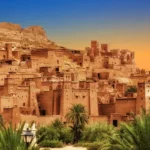
4 Day Desert tour from Fes to Marrakech
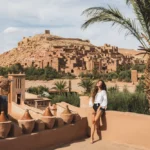
5 Days tour from Fes to Marrakech
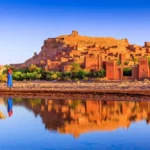
7 Days Morocco Tour from Fes
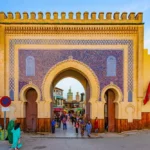
8 days Morocco itinerary from Tangier
5 Days Morocco Tour from Tangier
Morocco 6-day trip from Tangier
Morocco itinerary 7 days from Tangier
10 Day Morocco Tour from Tangier
13-day Morocco tour from Tangier
9-day Morocco tour from Marrakech
7 days tour from Marrakech to Fes
2 days from Marrakech to Merzouga
2 Days Marrakech to Fes Tour