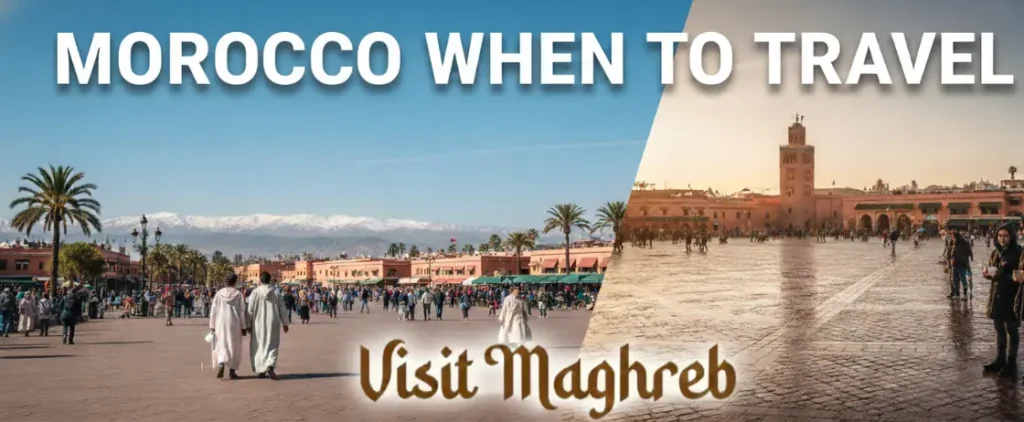
Have you ever dreamed of wandering through ancient markets filled with vibrant colors and exotic scents? Imagine standing at the edge of vast golden dunes as the sun sets, painting the sky in hues of orange and purple. This magical experience awaits you in a land where ancient traditions meet breathtaking landscapes.
Choosing the right time for your journey can transform a good vacation into an unforgettable adventure. The North African gem offers diverse experiences throughout the year. Your comfort and enjoyment depend heavily on seasonal timing.
This comprehensive resource helps you pinpoint the perfect period for your visit. We consider weather patterns, regional variations, and cultural celebrations. You’ll discover how different seasons affect various parts of this captivating country.
Our breakdown includes monthly climate details and regional insights. From coastal cities to mountain retreats and desert expeditions, timing matters. You’ll gain practical knowledge to craft your ideal itinerary.
Key Takeaways
- Seasonal timing dramatically impacts your comfort and experience
- Different regions have unique climate patterns throughout the year
- Cultural events and festivals can enhance your visit
- Tourist crowds vary by season, affecting prices and availability
- Coastal, mountain, and desert areas require different timing considerations
- Monthly weather breakdowns help you match activities with ideal conditions
- Personal preferences play a crucial role in determining your perfect timing
Introduction to Morocco as a Must-Visit Destination
Prepare to be captivated by a land that offers an extraordinary fusion of Islamic heritage and French colonial influences. This North African country stands as one of the world’s most enchanting destinations.
Overview of Morocco’s Unique Appeal
The country presents remarkable geographical diversity spanning coastal cities, mountain ranges, and desert expanses. You’ll find ancient medinas existing alongside modern urban centers.
This creates a rich tapestry where traditional culture meets contemporary life. The diverse landscapes provide endless exploration opportunities for every visitor.
What to Expect on Your Journey
Your experience will include vibrant souks filled with colorful textiles and aromatic spices. Warm hospitality and mint tea ceremonies await at every turn.
From luxurious riads to adventurous mountain treks, there’s something for every traveler. The sensory journey includes captivating architecture and flavorful cuisine.
| Experience Type | Highlights | Best For |
|---|---|---|
| Urban Exploration | Historic medinas, French colonial architecture | Culture enthusiasts, photographers |
| Mountain Adventures | Scenic trails, traditional villages | Hikers, nature lovers |
| Desert Expeditions | Golden dunes, camel treks | Adventure seekers, stargazers |
Understanding Morocco’s Climate and Weather Patterns
From coastal breezes to desert extremes, the atmospheric conditions vary dramatically across different geographical zones. Your experience will differ significantly depending on which part of the country you explore.
Regional Climate Differences and Variability
The northern coastal areas enjoy Mediterranean conditions with moderate temperatures year-round. These regions feature mild, wet winters and warm, dry summers perfect for exploration.
Inland territories experience hot, arid weather with summer temperatures frequently reaching the high 90s. The Saharan climate in southern areas brings extreme temperature fluctuations.
Scorching days can exceed 100°F while nights may drop below 50°F. The western Saharan coast maintains stable temperatures around 70-80°F throughout the year.
Seasonal Weather Trends
Weather becomes unpredictable from October through February with conditions varying annually. Some winters remain moderate while others turn wet and cold.
Rainfall peaks between November and February, particularly in northern regions. Spring and autumn typically offer the most consistent pleasant weather for visitors.
Summer months stay predominantly dry across the country. Understanding these patterns helps you choose ideal timing for different activities.
The Best Time to Visit Morocco: Spring and Fall Highlights
Mid-season visits provide the ideal climate window for experiencing diverse landscapes comfortably. These transitional periods offer the perfect balance between extreme temperatures.
Why Spring is Ideal for Your Visit
Spring emerges as the premier best time visit this captivating country. From March through May, temperatures hover around 68-77°F.
Landscapes burst with vibrant colors as flowers bloom across the countryside. This time of year allows for comfortable exploration before summer heat arrives.
Experiencing the Magic of Autumn in Morocco
Autumn creates another excellent window to visit morocco. September through November brings relief from summer’s intensity.
The weather remains consistently pleasant across all regions during these months. Tourist crowds thin out while conditions stay ideal for outdoor activities.
October and early November represent the sweet spot for autumn travel. You’ll enjoy mild temperatures perfect for desert excursions and mountain hikes.
Expert Advice on morocco when to travel
Strategic planning around seasonal patterns ensures you experience this destination at its absolute best. Understanding key factors helps you choose the ideal time visit for your specific needs.
Key Factors Influencing Your Timing
The peak tourist season runs from April through October. Spring and autumn see the highest concentration of visitors. This period requires advance booking for accommodations and tours.
Your personal preferences significantly impact the best time to explore. Adventure seekers prefer cooler months for mountain treks. Beach lovers enjoy summer coastal weather. Culture enthusiasts target festival seasons.
Checking Ramadan dates is crucial when planning your trip. This holy month affects business hours and daily rhythms. It also offers unique cultural insights for observant visitors.
Your planned activities should guide timing decisions:
- Desert expeditions work best in cooler months
- Mountain treks suit spring and fall seasons
- Coastal relaxation peaks during summer
- City exploration thrives in moderate weather
Regional choices affect timing too. Coastal areas remain pleasant during summer heat. Mountain regions offer year-round appeal. Budget-conscious travelers find savings during shoulder seasons.
Weather variability demands versatile packing. Temperature swings can exceed 40°F in desert regions. Layered clothing ensures comfort throughout your journey.
Discovering Morocco’s Diverse Regions and Iconic Cities
Each of this country’s urban centers tells a different story through its architecture and atmosphere. From coastal hubs to mountain retreats, these destinations offer distinct cultural experiences.
Exploring the Historic Medinas
Historic medinas are living museums. They transport you through time with centuries-old souks and crafts.
These ancient quarters remain vibrant residential and commercial centers. Wandering their narrow lanes is an unforgettable journey.
Urban Adventures in Marrakech, Casablanca, and Fes
Marrakech captivates with its exotic aura. The bustling Jemaa el Fna square and hidden luxury riads define this iconic city.
Casablanca showcases a unique French colonial legacy. Its handsome Mauresque buildings stand alongside modern developments and Atlantic beaches.
Fes serves as the nation’s cultural and spiritual heart. Its labyrinthine medinas and ancient university reveal a deep history.
Other remarkable cities include the elegant capital, Rabat, and the enchanting blue-washed destinations of Chefchaouen. Each offers a unique perspective.
Timing your exploration is key. Coastal cities like Casablanca provide summer relief from intense inland heat.
Adventures in the Sahara Desert and Atlas Mountains
Venture beyond the cities to discover landscapes that redefine adventure and natural beauty. These regions offer some of the most spectacular outdoor experiences available.
Desert Expeditions and Camel Treks
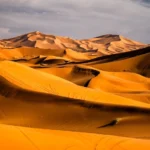
The Sahara Desert presents unforgettable adventures across its golden dunes. Spring and autumn provide ideal temperatures for comfortable exploration.
Most desert camps close during summer due to extreme heat. The climate features dramatic swings between scorching days and cool nights.
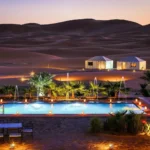
Popular activities include overnight stays in traditional Berber camps and sunrise photography sessions. Camel treks across the vast desert landscape create lasting memories.
Trekking the Majestic Atlas Range
The Atlas Mountains offer breathtaking trekking through walnut and cherry tree landscapes. Spring and fall bring perfect conditions for mountain activities.
Winter transforms higher peaks into snow-covered terrain suitable for skiing. Ifrane serves as the primary winter sports destination.
Multi-day expeditions include ascents of Mount Toubkal, North Africa’s highest peak. Guided treks with mule support allow deeper exploration of this magnificent range.
Cultural Experiences and Local Traditions in Morocco
Discover the living tapestry of traditions that shape daily life in this fascinating country. Your journey becomes richer when you engage with authentic cultural practices.
Islamic heritage forms the foundation of society here. You’ll hear the beautiful call to prayer echoing through cities five times each day.
Immersing Yourself in Islamic Heritage
Ramadan offers unique cultural experiences for visitors. Locals fast from food and drink during daylight hours.
The fast breaks at sunset with harira soup and dates. Cities transform into vibrant celebrations after dark.
Marrakech’s Jemaa el Fna square fills with musicians and performers. Rabat and Fez feature bustling promenades until early morning.
Tasting Traditional Moroccan Cuisine
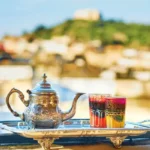
Moroccan food represents a highlight of any visit. The famous mint tea ceremony symbolizes warm hospitality.
Signature dishes include aromatic tagines cooked in conical pots. Fluffy couscous appears on tables every Friday.
You can join cooking classes to learn traditional techniques. This hands-on approach deepens your appreciation for local flavors.
| Cultural Experience | Best Locations | Key Features |
|---|---|---|
| Marketplace Bargaining | Traditional Souks | Social interaction, expected practice |
| Traditional Music | Berber Villages | Gnawa performances, folk dances |
| Culinary Workshops | Urban Cooking Schools | Hands-on learning, authentic recipes |
Bargaining in markets is part of the local culture. Respectful negotiation shows engagement with customs.
Traditional music and dance thrive during festivals. These performances create unforgettable evening experiences.
Staying in riads lets you experience authentic architecture. These traditional homes offer genuine hospitality.
Travel Smart: Safety and Respectful Behavior in Morocco
Respectful behavior and smart travel practices ensure a positive experience in this welcoming nation. This country maintains a generally safer reputation than neighboring regions, though standard precautions remain essential.
Female visitors exploring solo or together typically feel comfortable navigating cities and medinas. Most report minimal harassment during independent exploration.
Your clothing choices should reflect your destination within the country. Western attire works well in major cities when kept modest. Rural areas and religious sites demand more conservative coverage of shoulders and knees.
These simple tips enhance your safety and cultural respect. Avoid isolated areas after dark and use registered transportation services. Keep valuables secure in crowded markets.
Always ask permission before photographing local people, especially women and children. Religious sites require particular sensitivity and conservative dress.
Learning basic Arabic or French phrases shows respect and improves communication. Locals appreciate your effort to connect with their culture.
Following these practical tips makes your travel experience smoother and more rewarding. Cultural awareness transforms your journey into a truly memorable adventure.
What to Pack: Clothing and Essentials for Every Season
Your suitcase contents can determine how much you enjoy exploring diverse climates and terrains. Smart preparation ensures comfort across changing environments.
Choosing the Right Apparel for Urban and Desert Areas
Pack versatile layers to handle dramatic temperature swings. This strategy works perfectly for hot days and cool evenings.
Evenings in the desert get surprisingly cold, especially at night. Bring a warm jacket despite daytime heat.
Summer demands breathable fabrics like cotton and linen. Light-colored clothing reflects heat while maintaining modesty.
Winter requires thermal layers for mountain areas. Closed-toe shoes and warm sleepwear become essential.
Must-Have Travel Accessories
Essential items include a wide-brimmed hat and high-SPF sunscreen. These protect you from intense sun exposure.
A reusable water bottle keeps you hydrated in dry climates. Portable chargers ensure your devices stay powered.
Pack a scarf that serves multiple purposes. It provides sun protection and meets cultural requirements.
Don’t forget swimwear for coastal areas and hotel pools. Small currency denominations help with tips and purchases.
Navigating Transportation, Accommodation, and Local Services
Smart transportation and accommodation choices form the backbone of any successful adventure. Your entire trip experience depends on how well you plan these essential elements.
Air Travel, Car Rentals, and Ground Transportation
Royal Air Maroc offers direct flights to Casablanca from major cities worldwide. This provides the fastest and most economical way to reach the country.
Alternative routes connect through European hubs like Lisbon, Madrid, or Paris. These options may offer lower fares but require longer travel times.
Within the nation, hiring a private driver ensures convenient exploration. Platforms like Civitatis provide vetted guided tours for structured experiences.
Selecting Hotels and Traditional Riads
Accommodation options range from international chain hotels to traditional riads. These historic homes feature beautiful courtyards and personalized service.
Your trip timing affects hotel pricing significantly. March offers more reasonable rates compared to peak seasons.
Book accommodations early for April through October visits. Confirm medina locations to ensure manageable luggage access.
Desert camps and mountain lodges complete your lodging options. Each provides unique experiences for different parts of your trip.
Timing Your Visit Around Festivals and Events
Cultural calendars offer unique opportunities to experience authentic traditions beyond typical tourist attractions. Planning your journey around these special occasions provides deeper cultural immersion.
Experiencing Ramadan and Cultural Celebrations
Ramadan follows the lunar calendar, shifting dates each year. This holy period affects daily rhythms with quieter daytime streets.
Businesses operate on reduced hours during this time. Limited lunch options are available until sunset celebrations begin.
Major Islamic holidays create memorable experiences. Aïd el Fitr marks Ramadan’s end with festive gatherings.
Aïd el Kebir occurs about two months later. This important celebration involves family traditions and special meals.
The Muslim new year follows these observances. Mouloud celebrates the Prophet’s birthday with community events.
| Festival | Timing | Cultural Experience |
|---|---|---|
| Ramadan | Lunar calendar months | Daytime quiet, vibrant nights |
| Aïd el Fitr | End of Ramadan | Family feasts, celebrations |
| Marathon Des Sables | April each year | World’s toughest desert race |
| Ashorou Music Festival | 30 days after Aïd el Kebir | Traditional instrument performances |
Festival periods require advance accommodation bookings. Prices often increase during these popular times.
Embrace flexibility during religious holidays. Limited services are balanced by authentic cultural access.
Practical Tips for Budget and Luxury Travelers
Financial planning transforms a simple vacation into a personalized journey matching your comfort level and interests. Your ideal trip can range from economical hostels to five-star luxury riads.
Cost Considerations and Value for Money
Organized tours demonstrate the broad price spectrum available. Budget-friendly 8-day itineraries start around $3,090 per person.
Mid-range 10-13 day experiences range from $5,390 to $7,790. Luxury 15-day journeys can reach $10,290 or more.
March offers the best time for reasonable hotel pricing. The local currency is the Moroccan dirham, with approximately 9 Dh to 1 USD.
Customizing Itineraries to Fit Your Budget
Mix accommodation types to balance costs. Splurge on special riads in key cities while choosing simpler options elsewhere.
Cash remains essential for most transactions. Credit cards have limited acceptance outside upscale establishments.
Bargaining is expected in souks. Starting prices typically settle at 60-70% through respectful negotiation.
Allocate your budget across transportation, accommodation, activities, meals, and shopping. This trip morocco approach ensures you maximize every dollar.
Insider Insights from Moroccan Travel Experts
Local knowledge provides the key to unlocking experiences most visitors never discover. Expert advice helps you navigate beyond typical tourist paths.
Local Secrets for Authentic Experiences
Travel specialist Mohamed offers essential packing tips. “Pack layers for spring and fall. Desert evenings get surprisingly cold.”
He recommends warm jackets for nighttime excursions. Coastal areas often need windbreakers for breezy conditions.
Seek authentic experiences beyond standard tourist circuits. Visit neighborhood markets instead of crowded souks.
Try local hammams frequented by residents. Discover hidden kasbahs in the Dades Valley.
Explore tranquil coastal towns like Asilah. These lesser-known destinations offer genuine cultural immersion.
Testimonials and Real-Life Stories
Niki Patel shares: “Our travel agent organized an amazing trip. Everything was well-planned and stress-free.”
Paula Sullivan Escher notes: “We recommend them highly for creative itineraries and charming hotels.”
Amy Sperling praises: “Great pre-planning and flawless execution made our journey perfect.”
Janet Weitzel adds: “When luggage was lost, our coordinator worked behind the scenes to resolve it.”
These real stories demonstrate how expert guide services create memorable experiences. Professional planning ensures your trip runs smoothly.
A good guide transforms ordinary travel into extraordinary adventures. They handle challenges while you enjoy the journey.
This expert guide approach works for all travel styles. Solo travelers, couples, and families all benefit from local insights.
Conclusion
The ideal travel period balances comfort with authentic experiences across diverse regions. Spring and autumn emerge as the best times visit this captivating destination.
Your perfect timing depends on personal preferences and planned activities. Consider regional climate variations and cultural events like Ramadan.
Summer brings intense heat to inland cities and desert regions, making coastal beaches more appealing. Winter offers fewer tourists and mountain skiing opportunities.
Armed with this comprehensive guide, you can now plan your ideal journey. Each season presents unique advantages across the country’s diverse landscapes.
Begin organizing your dream trip by identifying priority destinations. Check festival dates and book accommodations early for peak months.
There’s truly no bad time to explore this remarkable land. Your unforgettable adventure awaits with proper seasonal planning.
FAQ
What is the absolute best time of year for a trip to Morocco?
Is it a good idea to visit during the summer months?
How cold does it get in the Sahara Desert at night?
What should I know about traveling during Ramadan?
Are the medinas and major cities very crowded with tourists?
What kind of clothing is most appropriate to pack?
Best Time to Travel to Morocco for Desert Tours
3 days from Marrakech to merzouga
Fes to ifrane and Cedar Forest day trip
Fes to Volubilis and Meknes day trip
Day trip Fes to Chefchaouen
Ouzoud Waterfalls day trip from Marrakech
Ait ben haddou day trip from Marrakech
Essaouira day tour from Marrakech
Merzouga Quad Tour
Overnight camel trek Merzouga
Merzouga 4×4 desert excursion
4 Days tour from Ouarzazate to Merzouga Desert
3 Days desert tour from Ouarzazate to Fes
2 Days Desert tour from Ouarzazate to Fes
4 Day Errachidia to Marrakech Desert Tour
3 Days Desert tour Errachidia to Marrakech
3 Days tour from Errachidia to Merzouga Desert
2 Day Trip Fes to Merzouga Desert
Fes to Marrakech desert tour 2 days
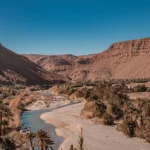
3 Days tour from Fes to Merzouga
Fes to Marrakech Desert tour 3 days
4 Days from Fes to Merzouga Desert
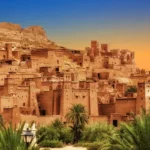
4 Day Desert tour from Fes to Marrakech
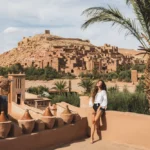
5 Days tour from Fes to Marrakech
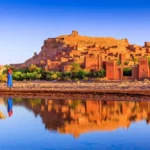
7 Days Morocco Tour from Fes
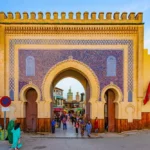
8 days Morocco itinerary from Tangier
5 Days Morocco Tour from Tangier
Morocco 6-day trip from Tangier
Morocco itinerary 7 days from Tangier
10 Day Morocco Tour from Tangier
13-day Morocco tour from Tangier
9-day Morocco tour from Marrakech
7 days tour from Marrakech to Fes
2 days from Marrakech to Merzouga
2 Days Marrakech to Fes Tour