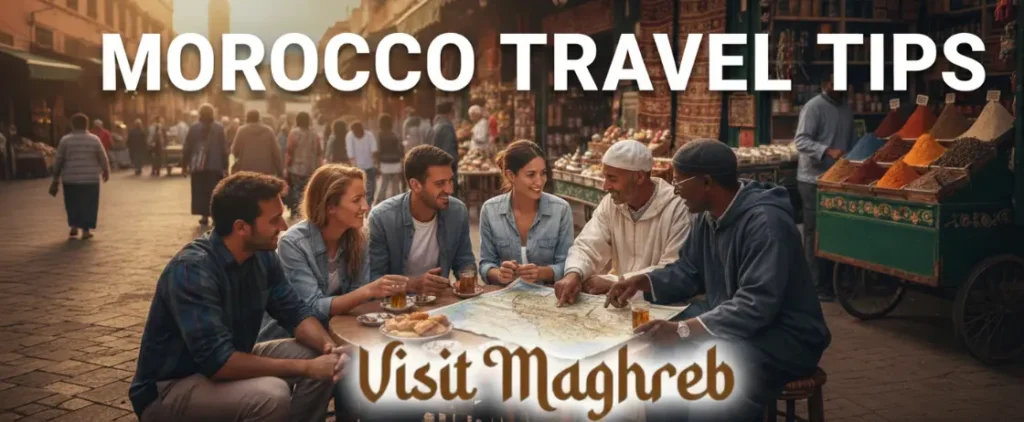
Do you remember that feeling of stepping into a place so different from home that it changes how you see the world? I still carry the memory of my first evening in Marrakech—the scent of spices hanging in the air, the call to prayer echoing through ancient streets, and the overwhelming sense that I’d entered a living storybook. That moment taught me that the most meaningful journeys aren’t just about seeing new places, but about understanding them.
This North African country offers an incredible spectrum of experiences, from imperial cities to the vast Sahara Desert. With 99% of the population following Islam, understanding local customs becomes essential for a respectful visit. The culture here is rich and deeply rooted in tradition, which can be both beautiful and challenging for visitors.
Proper preparation transforms what could be a confusing experience into an unforgettable adventure. Learning a few key things before you go helps you connect more authentically with local people. The right mindset turns potential culture shock into meaningful cultural exchange.
Whether it’s your first time visiting an Islamic nation or you’re a seasoned explorer, these insights come from travelers who’ve spent extended time in this remarkable country. They’ll help you navigate with confidence and cultural awareness.
Key Takeaways
- Understanding Islamic customs is crucial for a respectful visit
- Proper preparation minimizes culture shock and enhances your experience
- The landscape varies dramatically from deserts to coastal areas
- Insider knowledge helps you connect authentically with local traditions
- Cultural sensitivity turns challenges into meaningful exchanges
- Advance learning saves time and reduces confusion during your visit
- Real-world insights go beyond typical tourist information
Pre-Trip Preparation and Research
The foundation of any memorable journey begins long before you pack your bags. Smart planning ensures you make the most of your experience while staying open to spontaneous discoveries.
Research the specific places you want to visit but build flexibility into your itinerary. This approach allows you to adapt as you discover hidden gems along the way. Taking time to understand regional differences in Morocco pays dividends during your visit.
Researching Destinations and Local Guides
While you can pre-book activities online, many visitors find it easier to arrange tours after arrival. Hiring a qualified guide transforms your experience by providing local insights you’d otherwise miss.
| Guide Type | Best For | Verification Source |
|---|---|---|
| City guides | Historical sites & markets | Local tourism offices |
| Mountain guide | High Atlas hiking | Bureau des Guides |
| Cultural specialist | Museums & traditions | Hotel recommendations |
Learning Basic Arabic and French Phrases
Language preparation creates meaningful connections with local people. Even simple greetings show respect for the culture throughout the country.
“A few words in someone’s native language opens doors that remain closed to silent observers.”
Focus on essential Arabic phrases like “Shukran” (thank you) and French basics for urban areas. Most people appreciate your effort regardless of fluency. This preparation helps you navigate diverse places with confidence.
Essential Packing Tips for Morocco
What you bring in your suitcase often determines how comfortably you navigate unfamiliar environments. Smart preparation focuses on both practical necessities and cultural respect.
Your packing list should address daily needs while honoring local traditions. This balance ensures you’re ready for anything.
Must-Have Essentials: Water Bottle, Toilet Paper, and More
Hydration safety is crucial throughout your visit. The tap water isn’t safe for drinking, so bring a filtered bottle.
This avoids constant plastic purchases. Some visitors even use bottled water for brushing teeth initially.
Restroom facilities may surprise first-time visitors. Always carry your own toilet paper as many public toilet stalls don’t provide it.
Bathroom attendants sometimes offer paper for small fees, but availability varies. Keep antibacterial gel for hand cleaning before meals.
Cultural sensitivity matters greatly. Pack a lightweight scarf for covering shoulders at religious sites.
Comfortable walking shoes handle uneven medina streets perfectly. A daypack organizes all these daily travel tips essentials.
| Essential Item | Primary Purpose | Usage Frequency |
|---|---|---|
| Filtered water bottle | Safe hydration | Daily |
| Toilet paper/tissues | Restroom needs | As needed |
| Hand sanitizer | Meal preparation | Before eating |
| Light scarf | Cultural respect | Site visits |
| Sturdy shoes | Comfortable exploration | All day |
Navigating Cultural Etiquette in Morocco
Your clothing choices speak volumes about your respect for local traditions and customs. Understanding appropriate dress codes helps you connect more meaningfully with the people you meet.
This awareness transforms potential cultural misunderstandings into opportunities for genuine exchange.
Dress Codes and Respectful Behavior
Conservative dress shows respect in this predominantly Muslim country. Both men and women should cover shoulders and knees in most public spaces.
For women, lightweight fabrics that reach mid-calf work well. A versatile scarf serves multiple purposes throughout your visit.
It covers shoulders at religious sites and shows respect in conservative areas. Pack one that’s light enough for warm weather.
Dress codes vary significantly by location. Beach areas permit swimwear, but cover up when leaving the sand.
Urban nightlife venues accept Western styles. Rural communities maintain stricter standards for modest dress.
When visiting mosques open to non-Muslims, everyone must cover from shoulders to knees. Always ask permission before photographing local people.
Some appreciate the attention while others may decline. This simple courtesy demonstrates cultural sensitivity.
Exploring Morocco’s Iconic Attractions
From the coastal grandeur of Casablanca to the inland magic of Marrakesh, each city offers unique treasures for curious visitors. These celebrated destinations showcase the country’s rich heritage alongside modern vitality.
Casablanca, Marrakesh, and Hidden Gems
Marrakesh stands as the most popular city for international visitors. Its vibrant energy draws people to iconic sites like Jardin Majorelle and Musée Yves Saint Laurent.
Booking tickets online saves valuable time. Queues form quickly at major attractions.
The Hassan II mosque casablanca represents a unique opportunity. This magnificent hassan mosque welcomes non-Muslim visitors inside its stunning architecture.
It’s the largest active mosque in Africa. During Ramadan, over 100,000 worshippers gather here.
For photography without crowds, arrive early. Medersa Ben Youssef fills within 15 minutes of opening.
Bahia Palace sees nearly 200 visitors by 11 am. Planning your day strategically makes a significant difference.
Venture beyond the main tourist areas to discover hidden places. The Gueliz neighborhood offers charming cafes and boutiques.
Dar El Bacha Museum provides architectural beauty without overwhelming crowds. A knowledgeable guide enhances your experience significantly.
| Attraction | Best Time to Visit | Crowd Level | Preparation Needed |
|---|---|---|---|
| Jardin Majorelle | Early morning | High after 10am | Online tickets |
| Hassan II Mosque | Morning hours | Moderate | Modest dress |
| Marrakesh Medina | Late afternoon | Peak at 5pm | Comfortable shoes |
| Gueliz District | Any time | Low to moderate | None required |
morocco travel tips for a Smooth Experience
Getting temporarily disoriented isn’t a setback—it’s an invitation to connect more deeply with local life. Many visitors find that losing their way in medina labyrinths becomes their most memorable part of the journey.
Instead of stressing, embrace the adventure while staying aware of your surroundings. When needed, ask friendly people for directions—most appreciate the interaction.
Learn to read the subtle clues in ancient cities. Hexagon-shaped street signs indicate dead ends, while square markers show through streets. This knowledge helps you navigate confusing areas with confidence.
Vendors may approach offering things you don’t want. Simply ignore them without feeling obligated to respond. Not reacting is the most effective way to discourage persistent sales pitches.
If you encounter inappropriate behavior, a firm shout of “Police!” typically resolves the situation quickly. This response works especially well in Marrakesh where undercover tourist police patrol.
Understanding these practical strategies helps you move through the country comfortably. Accept that operations differ from Western nations, and adapt your expectations accordingly.
Insider Advice for Handling Money and Tipping in Morocco
Navigating local currency and tipping customs can feel overwhelming, but understanding a few key principles makes financial interactions smooth and respectful. Your approach to money management significantly impacts daily experiences.
Plan to obtain local currency upon arrival since the dirham is a closed currency. ATMs provide the best exchange rates, but withdraw cash before you’re desperate.
Managing Cash and Currency Exchanges
Carry both payment methods since credit cards work in cities while rural areas operate on cash. Keep small bills on hand for taxis and small purchases.
Vendors often struggle with large denominations. Bathroom attendants typically charge 2-5 dirhams at the entrance.
Tipping isn’t mandatory but reflects appreciation for service. Many people in service roles expect gratuities.
At restaurants, rounding up the bill or adding 10% shows gratitude. Servers often appear genuinely surprised by tips.
| Service Provider | Recommended Tip | When to Tip |
|---|---|---|
| Baggage Handler/Hotel Maid | 20 MAD ($2) | Per service rendered |
| Licensed Tour Guide | 100 MAD ($10) | Half/full day tour |
| Restaurant Server | 10% of bill | After meal |
| Bathroom Attendant | 2-5 MAD | At entrance |
For unsolicited services, offering 20-50 MAD is appropriate if you accepted help. Otherwise, politely decline persistent requests. These travel tips help you manage money confidently throughout Morocco.
Mastering Haggling and Bargaining in the Souqs
Entering the vibrant souqs, you’ll discover that bargaining isn’t just about getting a good deal—it’s a respected social ritual. This cultural practice transforms shopping into an interactive experience where both parties should feel satisfied with the final price.
Effective Strategies for Fair Prices
Start negotiations by offering 25-30% of the initial asking price. Vendors deliberately quote high amounts to anchor expectations. Gradually work upward while maintaining friendly but firm body language.
Keep your hand steady during discussions to show seriousness. For significant purchases, research fair market values beforehand. This preparation gives you confidence when discussing the final price.
When vendors suggest “pay what you feel,” ask thoughtful questions. Inquire about materials, craftsmanship hours, and production costs. This approach helps determine a reasonable price.
| Item | Fair Price Range (DH) | Quality Factors |
|---|---|---|
| Scarves | 40-100 | Material & craftsmanship |
| Sheep’s Wool Rug (3x6ft) | ~1,500 | Weave density & pattern |
| Spices (per kilogram) | 30-60 | Freshness & origin |
Real-Life Examples from Local Vendors
Some shops in tourist areas sell imitation products. Don’t be surprised if vendors react dramatically to price negotiations. Their emotional responses often follow a script.
If a seller becomes upset claiming “This wasn’t made in China,” apologize politely and walk away. This frequently prompts them to call you back with their best price. Knowing when to walk away is crucial for successful bargaining.
Explore smaller shops away from main street locations for better deals. The experience should end with both parties feeling the exchange was fair. This way of shopping creates memorable interactions beyond simple transactions.
Transportation Tips and Getting Around Like a Local
Moving efficiently between locations opens up more opportunities for authentic encounters. Understanding the local transit system helps you maximize your time exploring rather than navigating.
The train network provides an excellent way to connect major cities. Africa’s first high-speed train, Al Boraq, makes journeys between Casablanca and Tangier remarkably fast. Comfortable buses serve towns throughout the country.
Book your tickets a day or two ahead to secure your preferred travel time. This planning ensures smooth connections during busy periods.
Driving in cities like Marrakesh presents significant challenges. The chaotic traffic requires constant alertness. Avoid driving at night since some vehicles lack proper lighting.
Police speed checks occur frequently. Fines range from 150-300 DH, payable in cash on the spot. This avoids trips to police stations.
For taxis, always agree on the price before entering. Expect to pay 30-50 DH for city rides. Nighttime fares run slightly higher than rates during the day.
Keep correct change handy since drivers often claim they cannot provide change. Hiring a private guide with a vehicle lets you visit more places without transportation stress.
Ensuring Safety and Respectful Behavior
A key part of being a respectful visitor involves understanding how your actions, like taking pictures, impact local people. Always ask for permission before snapping a photo. While many are happy to pose, others may refuse or request money.
Never take photos of military or government buildings. This is strictly prohibited. Drones also require special permission.
Be aware of common scenarios in busy tourist areas. In Jemaa el-Fnaa square, performers may aggressively try to involve you for a photo and then demand payment.
Some men may pose as helpful guides. They lead you somewhere unsolicited and then demand 100-200 DH. A firm “no” and walking away is the best response.
Other scams include the “Berber Festival” trick and vendors claiming photos are free, only to hound you for cash afterward. Stay alert at bus stations where attendants might try to confuse you about payment.
It’s common for some men to show dramatic anger when you refuse an offer. Recognize this as a sales tactic, not a real threat.
Women might receive unwanted attention. A firm “no” or shouting “Police!” usually ends the situation. Trust your instincts. If a situation on the street feels uncomfortable, walk away and find trustworthy help.
Culinary Adventures and Local Flavors in Morocco
The aromas of slow-cooked spices and freshly baked bread welcome you to one of North Africa’s most celebrated culinary traditions. Every meal becomes an opportunity to connect with centuries of heritage.
Local dining experiences blend ancient techniques with modern hospitality. Understanding the customs enhances your enjoyment significantly.
Sampling Tagine, Mint Tea, and Authentic Dishes
Tagine represents the national dish, cooked in distinctive cone-shaped pots. Authentic versions develop crispy bits from charcoal fires.
Traditional meals are eaten with bread using your right hand only. The left hand is considered unclean due to toilet hygiene practices.
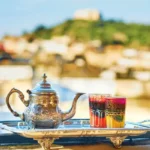
Moroccan mint tea, called “Berber whisky,” is served throughout the day. The high pouring technique mixes sugar and aerates the beverage.
Fresh bread accompanies virtually every meal. Always wash your hands thoroughly before eating.
Street Food, Hygiene, and Dining Etiquette
Exercise caution when choosing street food vendors. Carry activated charcoal for potential stomach issues.
Only drink bottled water and avoid ice in drinks. Tap water isn’t safe for consumption.
Public restrooms charge 2+ DH at the entrance. Attendants may not provide toilet paper.
Quality varies significantly between restaurants. Tourist-focused restaurants often skip traditional preparation methods.
Research fair price ranges before dining. Some restaurants charge higher prices to visitors.
| Dining Experience | Price Range (DH) | Best For | Safety Tips |
|---|---|---|---|
| Local Family Restaurant | 40-80 per person | Authentic tagines | Check food freshness |
| Street Food Stall | 10-30 per item | Quick snacks | Observe cooking hygiene |
| Upscale Establishment | 150-300 per person | Special occasions | Reservations recommended |
| Market Food Court | 20-60 per meal | Cultural immersion | Hand sanitizer essential |
Fresh bread serves as both food and utensil. This essential part of every meal requires clean hands. Choose your dining place carefully to ensure quality.
Observing Holy Days and Religious Etiquette
Understanding religious rhythms transforms potential frustration into cultural appreciation. The Islamic calendar and weekly observances create a distinct rhythm throughout the country.
Friday Holy Day Insights
Friday is the primary holy day across the nation. Most businesses reduce hours or close completely during afternoon prayers.
This Friday holy observance means you’ll find quieter streets and limited services. Plan museum visits and shopping for other days of the week.
The first Friday holy day you experience might surprise you with its tranquility. Many families gather for couscous meals after mosque visits.
Mosque Dress Code and Behavioral Tips
Non-Muslim visitors cannot enter most mosques, with one magnificent exception. The Hassan Mosque Casablanca welcomes tourists inside its stunning architecture.
At this and other religious sites, modest dress is essential. Both men and women must cover from shoulders to knees.
Women should carry a lightweight scarf for additional covering if requested. The entrance staff may provide guidance.
Aniconism remains an important part of Islamic culture. You’ll notice geometric patterns instead of human figures in religious art.
“Respecting local traditions opens doors to deeper understanding, even though practices may differ from your own.”
Some devout individuals may decline photographs due to religious beliefs. This respect for personal space becomes part of meaningful cultural exchange, even though it might limit your photo collection.
Conclusion
The true magic of exploring this diverse land lies in how cultural awareness transforms potential challenges into meaningful connections. Your preparation with local guides and understanding of customs turns every interaction into an opportunity.
Remember essential things like carrying cash for small purchases and having toilet paper handy. Pack modest dress and a scarf for visiting religious sites. Always use bottled water instead of tap sources.
Plan your itinerary around Friday as the holy day when many shops and restaurants adjust hours. When bargaining in markets, aim for a fair price that respects the local economy.
Always ask permission before taking a photo of people or inside sacred places. This simple courtesy shows respect for their culture and personal space.
By the end of your time here, you’ll appreciate how these small preparations enhanced your experience. The country rewards those who approach it with curiosity and respect.
Every city and desert area offers unique discoveries. From bustling street markets to quiet mountain places, each moment becomes part of your journey.
Your adventures here will stay with you long after you return home. The memories of shared bread meals and genuine connections make every effort worthwhile.
FAQ
What should I know about visiting on a Friday?
Is it safe to drink tap water?
What is the dress code for entering mosques?
Should I carry cash or use credit cards?
How should I handle haggling in the markets?
Are there any items I should pack that are hard to find?
Essential Morocco Travel Tips & Desert Tours Guide
3 days from Marrakech to merzouga
Fes to ifrane and Cedar Forest day trip
Fes to Volubilis and Meknes day trip
Day trip Fes to Chefchaouen
Ouzoud Waterfalls day trip from Marrakech
Ait ben haddou day trip from Marrakech
Essaouira day tour from Marrakech
Merzouga Quad Tour
Overnight camel trek Merzouga
Merzouga 4×4 desert excursion
4 Days tour from Ouarzazate to Merzouga Desert
3 Days desert tour from Ouarzazate to Fes
2 Days Desert tour from Ouarzazate to Fes
4 Day Errachidia to Marrakech Desert Tour
3 Days Desert tour Errachidia to Marrakech
3 Days tour from Errachidia to Merzouga Desert
2 Day Trip Fes to Merzouga Desert
Fes to Marrakech desert tour 2 days
3 Days tour from Fes to Merzouga
Fes to Marrakech Desert tour 3 days
4 Days from Fes to Merzouga Desert
4 Day Desert tour from Fes to Marrakech
5 Days tour from Fes to Marrakech
7 Days Morocco Tour from Fes
8 days Morocco itinerary from Tangier
5 Days Morocco Tour from Tangier
Morocco 6-day trip from Tangier
Morocco itinerary 7 days from Tangier
10 Day Morocco Tour from Tangier
13-day Morocco tour from Tangier
9-day Morocco tour from Marrakech
7 days tour from Marrakech to Fes
2 days from Marrakech to Merzouga
2 Days Marrakech to Fes Tour