Imagine the scent of spices hanging in the air as you step into a world of vibrant colors and ancient sounds. The call to prayer echoes over sun-baked walls, inviting you into a story that has been unfolding for centuries. This is the moment you arrive, a moment of pure, captivating discovery.
Planning your journey to this Northwest African nation is surprisingly straightforward. If you hold a passport from the US, Canada, the UK, or other major countries, you can stay for up to 90 days without a visa. Major airlines like Delta and British Airways fly directly into key hubs such as Casablanca and Marrakech, making your arrival seamless.
This guide is your first step toward an unforgettable adventure. We will help you navigate from bustling city markets to the profound silence of the desert. You will learn about local customs, find the best places to stay, and uncover hidden gems across different regions.
Our goal is to prepare you thoroughly. With insights from seasoned explorers, you can focus on creating memories that will last a lifetime. Get ready to explore imperial cities, mountain kasbahs, and stunning coastal towns.
Key Takeaways
- No visa is required for visits under 90 days for travelers from the US, Canada, UK, and other major nations.
- Casablanca (CMN) and Marrakech (RAK) are the primary international airports with flights from major carriers.
- The country offers a unique blend of ancient medinas, desert landscapes, and coastal cities.
- Understanding local customs and transportation options is key to a smooth experience.
- This guide provides practical tips on accommodations, cuisine, and regional highlights.
- From the Sahara to the Atlas Mountains, the diversity of experiences is vast.
Introduction to Morocco: A Land of Contrasts
From Mediterranean shores to Saharan dunes, this nation presents a geographical tapestry unlike any other. Snow-capped mountains rise near vast desert expanses, creating dramatic scenery throughout the country. You’ll find each region offers a distinct place with unique characteristics.
The local people represent a rich blend of Arab and Berber heritage. As your travels progress, you’ll encounter a lot of linguistic diversity. Multiple languages coexist harmoniously in daily life.
Ancient medinas stand beside contemporary cities, showing how tradition meets modernity. Nomadic customs persist despite digital advancements. This balance creates a fascinating dynamic for visitors.
| Language | Primary Usage | Notes |
|---|---|---|
| Arabic & Berber | Official languages | Moroccan Arabic dialects most common |
| French | Business & education | Widely used due to historical ties |
| English | Tourism areas | Increasingly spoken in major cities |
| Currency | Moroccan Dirham (MAD) | Approximately 10 MAD = 1 USD |
This country’s strategic location made it a crossroads for civilizations. African, European, and Middle Eastern influences blend in architecture and cuisine. The local people create welcoming environments for an authentic experience.
Why Morocco Captivates Travelers
Beyond the initial sensory overload lies a deeper connection to centuries of artistry and dramatic geography. This destination offers more than just beautiful sights—it provides meaningful encounters that linger in memory.
Cultural Richness and Heritage
The authentic experience begins when you engage with local people practicing ancient crafts. Artisans in historic medinas continue traditions passed down through generations.
You’ll discover a lot of architectural marvels, from Casablanca’s grand Hassan II Mosque to Marrakech’s intricate madrasas. These places showcase stunning Islamic design and craftsmanship.
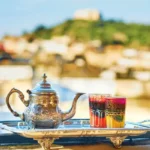
Cultural immersion happens through mint tea ceremonies, traditional riad stays, and hammam treatments. Each interaction reveals layers of heritage.
Stunning Landscapes and Diverse Climates
Geography shifts dramatically within short distances. Coastal breezes, mountain peaks, and Sahara dunes create incredible variety.
Northern cities enjoy Mediterranean climates, while central areas like Marrakech reach 90°F summers. Winter brings milder 54°F averages.
Choosing the right time to visit different places ensures comfort. Coastal regions see most rain from November to March.
The desert offers stark beauty, while Atlas Mountains provide alpine contrast. This diversity makes each city unique.
Essential Planning Tips for a Smooth Trip
Before embarking on your North African exploration, careful consideration of seasonal patterns can dramatically enhance your experience. Spring (March-May) and fall (September-November) offer ideal conditions for planning trip activities. Early October provides perfect weather throughout the region.
| Season | Weather Conditions | Crowd Levels |
|---|---|---|
| Spring (Mar-May) | Mild temperatures, 65-75°F | Moderate |
| Summer (Jun-Aug) | Hot, often exceeding 90°F | Lowest |
| Fall (Sep-Nov) | Perfect 70-80°F range | Moderate to High |
| Winter (Dec-Feb) | Coldest and wettest time | Low except holidays |
Transportation choices significantly impact your journey. Self-driving offers flexibility but requires understanding local traffic rules. Hiring a driver provides comfort and local knowledge.
“The best adventures happen when preparation meets opportunity.”
For first time visitors to Morocco, researching cultural customs ensures respectful interactions. Planning around Ramadan is crucial since most restaurants close during daylight hours. Sunset celebrations offer unique cultural insights.
Budget planning should account for a lot of factors from accommodations to souk shopping. Optimize your trip morocco routing by flying into one airport and out of another. This way reduces backtracking during your trip.
Your Ultimate morocco travel guide Itinerary
Crafting the perfect journey requires balancing iconic destinations with hidden gems. A well-planned route maximizes your experiences while minimizing travel fatigue between locations.
Day-by-Day Breakdown
A comprehensive 16-day trip typically begins with an arrival in Casablanca. You’ll spend one night there before moving to coastal Essaouira for two nights.
The itinerary continues with three nights in vibrant Marrakech. This allows sufficient time to explore souks and gardens.
From there, head through the Atlas Mountains with stops in Skoura and Dades Valley. The highlight comes with two nights at a luxury desert camp.
The return portion includes three nights in Fes and two in Chefchaouen. This balanced approach covers major cities and natural wonders.
Must-See Destinations and Experiences
Key places include Essaouira’s ramparts and Marrakech’s main square. Don’t miss the dramatic Todra Gorge and Merzouga’s sand dunes.
For travelers with less time, an 8-night alternative focuses on 2-3 key cities. This condensed version still offers deep cultural immersion.
Spending adequate nights in each location reduces stress from constant movement. Proper timing ensures you appreciate each destination fully.
The Coastal Charm of Essaouira
The Atlantic breeze greets you long before you see the ancient walls of this coastal gem. Essaouira, known as the ‘Windy City of Africa,’ offers a refreshing escape with its year-round Alizée ocean winds. This charming town provides a perfect contrast to inland destinations.
Once a popular haven for pirates due to its strategic trade location, the town now welcomes visitors seeking seaside relaxation. The historic medina and protective ramparts tell stories of centuries past while offering stunning water views.
Exploring the Historic Medina and Ramparts
Walking along the ancient protective walls gives you insight into the town’s pirate history. These ramparts once defended against invaders and now provide perfect photo opportunities. You can explore the entire small medina on foot within a day or two.
Parking is available in two main lots outside the old town walls for about $6 USD per night. From there, it’s just a 10-minute walk through the medina to reach your accommodation.
Seaside Vibes and Local Cuisine
The fishing port and beach create a vibrant scene where local fishermen work alongside water sports enthusiasts. The constant winds make this area world-famous for windsurfing and kitesurfing.
When it comes to food, Essaouira offers a lot of fresh seafood options. The town is known for its many “adopted” street cats that have become permanent residents in restaurants and shops.
| Venue | Specialty | Atmosphere |
|---|---|---|
| Riad Kafila | Beachy-chic accommodations | Stunning water views, comfortable rooms |
| Salut Maroc | Rooftop drinks with live music | Incredible decor, perfect for sunset photos |
| Chez Zak | Exceptional grilled lobster | Owner-prepared seafood in casual setting |
| Le Sirroco | Local dining experience | Dimly lit with resident street cats |
“The combination of historic walls, ocean breezes, and fresh seafood creates an unforgettable coastal experience that stays with you long after you leave.”
For accommodations, Riad Kafila stands out with its beachy-chic style right on the water. The hotel offers beautiful views and delicious breakfasts at reasonable prices for a two-night stay. This makes it an excellent choice for experiencing the town’s unique character.
Embracing the Vibrant Energy of Marrakech
Marrakech’s energy envelops you from the moment you arrive, creating an unforgettable urban adventure. This legendary city blends ancient traditions with contemporary sophistication.
Colorful Souks and Iconic Landmarks
Exploring the maze-like souks reveals endless shopping opportunities. Artisans sell handcrafted goods including leather products, pottery, and jewelry.
Iconic landmarks define the city’s skyline. The Koutoubia Mosque’s 77-meter minaret stands tall. Jemaa el-Fnaa square buzzes with street performers.
Hiring a guide for your first day helps navigate the medina. You’ll discover hidden gems and fascinating history.
Rooftop Dining and Nightlife Experiences
Rooftop venues offer spectacular dinner experiences with sunset views. Dar Dar Rooftop serves argan sour cocktails with DJ entertainment.
Le Bistro Arabe provides upscale dining with live music. Reservations are essential for this premium experience.
| Venue | Specialty | Atmosphere | Reservation Tip |
|---|---|---|---|
| Dar Dar Rooftop | Cocktails & Dinner | Sunset views, DJ | Book 30 min before sunset |
| Le Bistro Arabe | Upscale cuisine | Live music, elegant | Essential for evenings |
| El Fenn Rooftop | Cocktails | Swanky decor | Great for pre-dinner drinks |
| El Bacha Coffee | 100+ coffee varieties | Gorgeous interiors | Arrive early or wait 2 hours |
Palais Riad Lamrani offers excellent accommodations with walkable locations. The hotel features beautiful rooms and refreshing pools.
Plan at least three nights to fully embrace this city’s energy. Allow time for guided tours and independent exploration.
Navigating Bustling Markets & Authentic Souks
Market exploration transforms from simple shopping into a cultural dance of negotiation and discovery. The vibrant markets in cities like Marrakech and Fes sprawl across vast medina areas, offering an overwhelming yet exciting experience.
You’ll find incredible opportunities for traditional crafts and goods. Leather products, textiles, pottery, and spices fill colorful stalls with aromatic scents. This environment creates authentic interactions with local artisans.
Bargaining Tips for Local Finds
Bargaining represents an expected part of the cultural experience. Friendly negotiation with locals can significantly reduce initial asking prices. Start by offering about half of what vendors request.
Be prepared to walk away if needed—this often brings better offers. Show genuine interest without appearing desperate. Research fair values beforehand to negotiate effectively.
Always carry sufficient cash when exploring these markets. Smaller vendors typically don’t accept credit cards. ATMs in major cities offer decent exchange rates for withdrawing local currency.
Photography etiquette requires special attention. Always ask permission before taking photos of people or vendors. Many find unsolicited photography disrespectful. Offer a tip to anyone who poses with you.
Building rapport with shop owners enhances your experience. They often share craft stories and demonstrate techniques. You might learn the proper way to wrap traditional headwear.
A lot of patience and humor helps when navigating crowded spaces. Consider hiring a local guide for your first souk experience. They can teach bargaining techniques and introduce reputable vendors.
A Journey through Ouarzazate and the Atlas Mountains
Ancient ksars cling to hillsides along the route to Ouarzazate, creating a living museum of earthen architecture. The drive from Marrakech takes approximately three hours through the dramatic atlas mountains. This journey reveals spectacular scenery at every turn.
Film Locations and Scenic Drives
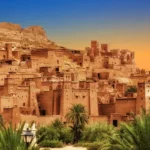
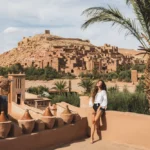
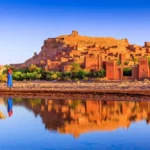
Ait Ben Haddou stands as a must-visit spot, recognized as a UNESCO World Heritage site. Many famous movies filmed scenes here, including Gladiator and Game of Thrones. You can spend hours exploring this fortified village.
Cross the river via bridge or stepping stones to reach the ancient ksar. Cafe Mousa offers perfect vantage points for photos across the river. Friendly staff serve mint tea with complimentary cookies.
For a more personal experience, visit Khaleesi Terrace run by Mustafa. He welcomes visitors to his home and the women’s weaving school below. Remember that tipping is customary for these personal tours.
Plan a full day for this journey to allow time for frequent stops. The winding roads through the atlas mountains offer endless photo opportunities. Berber villages and terraced plots create stunning landscapes.
The three-hour drive rewards you with Hollywood-worthy scenery. Take your time to appreciate each viewpoint. This region showcases some of the most cinematic landscapes you’ll encounter.
Discovering the Tranquil Beauty of Skoura
After the vibrant energy of Marrakech, Skoura’s palm grove offers a peaceful retreat where time seems to slow down. This oasis town serves as the perfect place to recharge between desert adventures and city explorations.
L’Ma Lodge stands out as an exceptional hotel experience. Guests consistently describe it as “totally magical” with near-perfect ratings. The property features stunning architecture set within beautifully landscaped grounds.
Arrive with enough time to fully enjoy the lodge. Lounge by the pool, explore the gardens, and capture golden hour photos. The sunset views before dinner create unforgettable moments.
The staff provides exceptional service, anticipating your needs. Meals showcase refined local cuisine using fresh ingredients. The food becomes a highlight of your stay.
| Accommodation Type | Experience Level | Booking Advice |
|---|---|---|
| L’Ma Lodge | Premium boutique | Reserve months ahead |
| Standard Riads | Comfortable mid-range | 2-3 weeks advance |
| Desert Camps | Adventure focus | Flexible availability |
Even one night in Skoura provides rejuvenation. The peaceful atmosphere contrasts sharply with busy medinas. Many travelers find the lodge grounds offer sufficient enjoyment.
If you have extra time, explore the surrounding palm grove. Nearby kasbahs provide additional cultural interest. However, the lodge itself provides a lot of reward for your stay.
“The combination of exceptional hospitality, beautiful surroundings, and exquisite dining makes L’Ma Lodge an experience that stays with you long after departure.”
Immersing in the Scenic Dades Valley
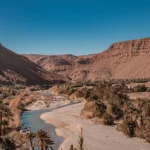
Towering rock walls rise dramatically as you enter the Dades Valley, creating a landscape that feels both ancient and alive. This region offers some of the most spectacular scenery in the Atlas Mountains. You’ll discover traditional Berber villages and stunning natural formations.
Kasbahs and Rose Valley Exploration
Kasbah Flilou provides exceptional accommodation with beautiful traditional design. The staff delivers amazing service and delicious food that makes you feel genuinely cared for. This hotel becomes a highlight after long days of exploration.
The Monkey Fingers slot canyon hike makes for a perfect morning activity. Covering approximately five miles round trip, it requires some scrambling through narrow passages. Hiring a local guide proves valuable for navigation and photography.
A day trip through the Valley of the Roses reveals numerous kasbahs including the famous Kasbah Amridil. You’ll learn about the region’s rose-growing heritage while exploring fortified architecture. The small towns along the route offer authentic cultural experiences.
Don’t miss the spectacular lunch at Eden Boutique Hotel, even if you’re not staying overnight. The property features magnificent interiors created by local brothers. You can tour the grounds before enjoying excellent dishes in their restaurant.
The famous windy road with its dramatic switchbacks deserves a visit. A restaurant at the top provides the perfect spot for tea while watching vehicles navigate below. Make the short detour to Todra Gorge with its 200-meter sheer walls for an unforgettable natural experience.
Experiencing the Magic of the Sahara Desert
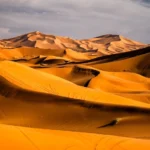
The silence of the sahara desert envelops you in a profound stillness that speaks louder than any city noise. This vast expanse of golden sand dunes near Merzouga creates an unforgettable landscape that many consider the highlight of their journey.
Most visitors spend two nights in this remarkable desert environment. This allows sufficient time to witness both sunset and sunrise over the ever-shifting sand dunes.
Camel Rides at Sunrise and Sunset
Camel rides offer iconic sahara desert moments, though the full 1.5-2 hours from Merzouga to camp can be less comfortable than expected. Many choose 4-wheel drive transport to camp followed by shorter sunrise camel rides.
Watching miles of sand dunes transform under changing light creates humbling moments of reflection. The primitive beauty of this desert landscape is impossible to replicate elsewhere.
Luxury Desert Camps and Sandboarding
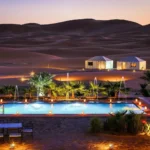
Luxury camps like Merzouga Luxury Camp provide comfortable tents with bathrooms and hot showers. They feature communal dining tents with included meals and organized activities.
Adventure options enhance your desert experience, including sandboarding down steep dunes. You can also take a jeep tour to visit nomadic tribes or hunt for fossils.
Evenings bring campfire entertainment with Berber music under star-filled skies. Every sunrise and sunset over the sahara desert creates photographic treasures you’ll cherish forever.
Unraveling the Historic Mystique of Fes and Chefchaouen
Stepping into Fes feels like entering a living museum where every narrow alleyway whispers ancient secrets. This imperial city demands your full attention with its sprawling, car-free medina. You need proper time to appreciate its complex beauty without feeling overwhelmed.
Ancient Medinas and Architectural Gems
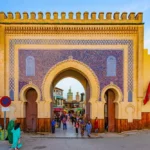
Madrasa Bou Inania showcases stunning 14th-century craftsmanship with green tiles and marble columns. The Royal Palace’s seven gates display amazing metalwork from the 1960s. You can capture beautiful photos of these landmarks throughout your day.
The historic Jewish Cemetery features uniquely shaped white tombs on a hillside. Borj Nord fort houses thousands of historical weapons in its museum. Each site tells a different story about this ancient city.
Chouara Tanneries offer fascinating views from surrounding terraces. Workers use traditional methods to dye leather in stone vats. The strong smell is manageable with offered mint leaves.
Local Artisans and Cultural Stories
A guided walking tour helps you navigate the overwhelming medina safely. Knowledgeable guides share cultural stories while leading you to artisan workshops. This group experience enhances your understanding of local traditions.
Chefchaouen provides a completely different atmosphere from Fes. This blue-painted mountain town offers tranquil streets perfect for relaxation. Two nights here balance your trip after intense urban exploration.
Local artisans welcome visitors to observe traditional crafts. You can watch weaving, metalwork, and ceramic creation. Many offer authentic handmade goods for direct purchase.
Plan a food tour to taste traditional dishes while exploring the medina. The blue town‘s peaceful vibe allows for personal discovery. Both destinations reward travelers who allocate sufficient time for immersion.
Savoring the Flavors: Moroccan Cuisine and Culinary Delights
From the first sip of sweet mint tea to the last bite of flaky pastry, dining here engages all your senses. The country’s culinary traditions reflect centuries of Arab, Berber, Mediterranean, and African influences.
Tagine Traditions and Couscous Creations
Tagine preparations dominate the food culture. These slow-cooked clay pot dishes appear at nearly every dinner. They feature tender meat or vegetables infused with saffron, cumin, and turmeric.
Couscous serves as the national dish. Locals traditionally eat it with meat or vegetable stews on special occasions. Popular variations include lemon chicken and beef with prunes.
| Dish | Key Ingredients | Best Time to Try |
|---|---|---|
| Harira Soup | Tomatoes, lentils, chickpeas, lamb | Ramadan evenings |
| Pastilla | Savory meat, sugar, cinnamon, almonds | Special occasions |
| R’fissa | Flaky pancakes, chicken, onion broth | Casablanca visits |
| Tanjia | Lamb/veal cooked in terracotta jar | Marrakech exploration |
Mint Tea Rituals and Street Food Finds
Mint tea rituals punctuate every social interaction. This signature beverage is served hot in glass cups as a welcome drink. It’s prepared with fresh mint leaves and real sugar blocks.
Street food stalls offer incredible variety. You’ll find msemen flatbreads for breakfast and baghrir “thousand hole pancakes.” Zalouk eggplant spread served with crusty bread makes a perfect snack.
“Learning to prepare traditional dishes with local chefs transforms your understanding of the culture and creates memories that last long after you return home.”
Participating in a cooking class provides hands-on experience. You’ll learn tagine preparation and mint tea ceremonies from experts. This culinary adventure completes your food journey.
Practical Tips: Transportation, Safety, and Cultural Etiquette
Navigating transportation and understanding local customs are essential for a smooth journey throughout this diverse country. Knowing your options helps you move efficiently during your trip.
Driving Tips and Navigating Local Traffic
Self-driving offers the best way to explore at your own pace. Watch for rapidly changing speed limits when approaching towns.
Police officers often monitor main intersections. Always stop, make eye contact, and wait for their signal. Being polite can reduce fines if you receive a ticket.
Always wear seatbelts, even in back seats. Avoid photographing police or local people without permission.
Understanding Dress Codes and Local Customs
Conservative dress shows respect for local culture. Keep shoulders, chest, and knees covered throughout your travel.
Headscarves aren’t required but can reduce unwanted attention. Always ask permission before taking photos of people.
Carry sufficient cash as many establishments don’t accept cards. ATMs in major cities offer decent exchange rates.
| Transport Type | Best Use | Cost Level | Convenience |
|---|---|---|---|
| Rail Network | Northern cities | Affordable | Comfortable & on time |
| Petit Taxis | Within cities | Low | 3 passengers max |
| Grand Taxis | City to city | Moderate | 6 passengers max |
| Riad Drivers | Custom routes | Higher | Hotel arranged |
| Ride Apps | Major cities | Variable | App convenience |
Seasonal Insights: Best Time to Visit and Weather Considerations
Regional climate variations create distinct seasonal advantages for different types of exploration. The ideal time visit depends on your temperature tolerance and preferred activities.
Climate Overview and Packing Essentials
Spring (March-April) and fall (September-October) offer the most pleasant weather for your trip. Early October provides perfect timing with comfortable temperatures.
Summer brings intense heat to interior cities, while coastal areas enjoy Mediterranean breezes. Winter can bring freezing desert temperatures and increased rainfall.
| Season | Best For | Considerations |
|---|---|---|
| Spring | Valley roses, comfortable exploration | Moderate crowds, ideal temperatures |
| Summer | Least crowded periods | Extreme heat in southern places |
| Fall | Golden light, harvest activities | Perfect weather throughout your journey |
| Winter | Atlas Mountain snow | Potential sandstorms, coldest time |
Before leaving home, pack lightweight modest clothing and layers. Include a reusable water bottle and universal adapter for type C/E plugs.
A lot of preparation ensures comfort across varying climates. Research accommodations that match your needs for different seasons.
Conclusion
With practical knowledge and cultural insights now at your fingertips, you’re ready to embrace the authentic encounters that define this destination. This comprehensive morocco travel guide has equipped you for an unforgettable journey through diverse landscapes and rich traditions.
Your trip morocco will take you from coastal towns to desert camps, with each region offering unique experiences. The suggested itinerary provides a framework, but the most rewarding adventures often come from spontaneous discoveries.
Remember to balance structured plans with flexibility. Allow time to connect with local people and savor sensory pleasures beyond sightseeing. This country delivers memorable moments for every type of traveler.
As you prepare to visit morocco, carry confidence in your preparation. The information in this guide ensures you can focus on creating personal stories in this land of timeless beauty.
FAQ
What is the best time of year to visit for a first-time trip?
How many days should I plan for a comprehensive itinerary?
Is it safe to drive around the country?
What should I pack for the diverse climates?
How much cash should I carry for markets and local shopping?
What are the must-try local dishes?
Is bargaining expected in the souks?
Best Morocco Tours & Day Trips for Your Bucket List
3 days from Marrakech to merzouga
Fes to ifrane and Cedar Forest day trip
Fes to Volubilis and Meknes day trip
Day trip Fes to Chefchaouen
Ouzoud Waterfalls day trip from Marrakech
Ait ben haddou day trip from Marrakech
Essaouira day tour from Marrakech
Merzouga Quad Tour
Overnight camel trek Merzouga
Merzouga 4×4 desert excursion
4 Days tour from Ouarzazate to Merzouga Desert
3 Days desert tour from Ouarzazate to Fes
2 Days Desert tour from Ouarzazate to Fes
4 Day Errachidia to Marrakech Desert Tour
3 Days Desert tour Errachidia to Marrakech
3 Days tour from Errachidia to Merzouga Desert
2 Day Trip Fes to Merzouga Desert
Fes to Marrakech desert tour 2 days
3 Days tour from Fes to Merzouga
Fes to Marrakech Desert tour 3 days
4 Days from Fes to Merzouga Desert
4 Day Desert tour from Fes to Marrakech
5 Days tour from Fes to Marrakech
7 Days Morocco Tour from Fes
8 days Morocco itinerary from Tangier
5 Days Morocco Tour from Tangier
Morocco 6-day trip from Tangier
Morocco itinerary 7 days from Tangier
10 Day Morocco Tour from Tangier
13-day Morocco tour from Tangier
9-day Morocco tour from Marrakech
7 days tour from Marrakech to Fes
2 days from Marrakech to Merzouga
2 Days Marrakech to Fes Tour