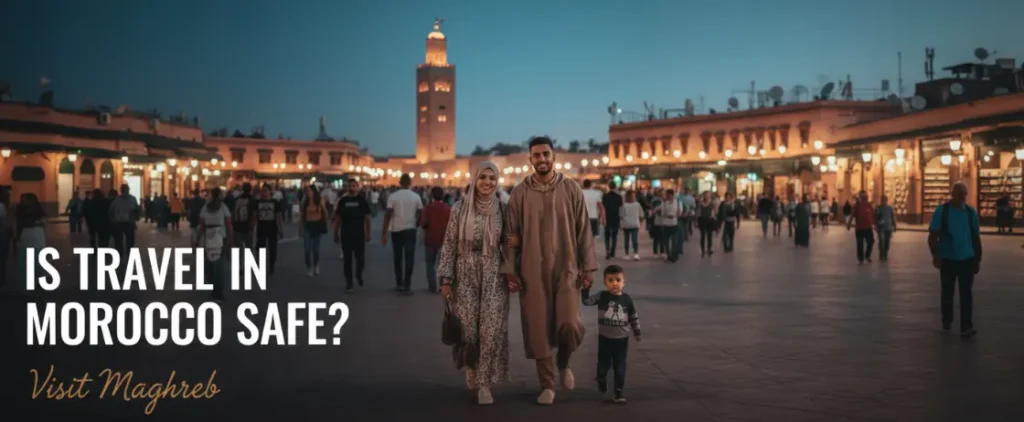
Picture yourself wandering through vibrant souks filled with colorful spices, hearing the call to prayer echo through ancient medinas, and feeling the warm desert sun on your face. This North African kingdom offers an unforgettable adventure that blends centuries of tradition with modern comforts.
With nearly 40 million people calling this nation home, you’ll discover a rich tapestry of Berber, Arab, and European influences. From the snow-capped Atlas Mountains to the Sahara’s golden dunes, the landscape is as diverse as the culture. Major cities like Marrakech and Fez showcase architectural wonders that have stood for centuries.
Many visitors wonder about security concerns before their trip. The U.S. State Department currently assigns this destination a Level 2 advisory, suggesting increased caution. However, global rankings place it ahead of popular European spots like Portugal and Sweden for overall safety.
Recent infrastructure improvements mean you’ll find reliable 4G coverage and modern amenities in urban areas. This comprehensive guide will help you navigate your journey with confidence, covering everything from cultural etiquette to emergency preparedness.
Key Takeaways
- Morocco combines ancient cultural heritage with diverse natural landscapes
- The country maintains one of Africa’s most stable governments
- International safety ratings place Morocco ahead of several European destinations
- Modern infrastructure improvements enhance the visitor experience
- Specific precautions can help ensure a secure and enjoyable trip
- This guide covers location-specific safety information and practical tips
Understanding Morocco’s Safety Overview
International security analysts consistently rank this kingdom as one of Africa’s most stable destinations for visitors. Global Guardian assessments confirm its generally safe status with effective security services.
General Security and Government Measures
The Moroccan government prioritizes tourist safety as tourism drives the economy. Authorities pursue crimes against foreigners seriously and quickly.
You will notice a visible police presence in popular areas. The country maintains strong ties with Western allies like the U.S. and France.
Enhanced border screening techniques match European standards. These precautions elevate overall security for all travelers.
Tourist Safety Advisories and Alerts
The U.S. State Department issues a Level 2 advisory for this destination. This means “exercise increased caution” primarily due to terrorism concerns.
Small, independent cells inspired by extremist groups pose potential risks. However, no major attacks have occurred since 2011.
When comparing countries worldwide, this nation’s security measures align with many European destinations. Your awareness and common sense precautions contribute significantly to a safe experience.
Safety by Location in Morocco
Location-specific security measures and risks shape your experience throughout the kingdom. Different areas demand varied levels of awareness.
Major Cities and Popular Destinations
Most visitors explore well-developed urban centers. These cities maintain robust tourist infrastructure.
Marrakech presents typical urban risks like petty crime. The medina receives heavy police patrols.
Casablanca’s economic importance brings higher harassment concerns. Prepare firm but polite responses.
Tangier requires extra vigilance against pickpockets. Keep valuables secure in crowded spaces.
| City | Primary Concerns | Security Level | Recommended Precautions |
|---|---|---|---|
| Marrakech | Petty crime, scams | Generally safe | Watch belongings in medina |
| Casablanca | Harassment | Generally safe | Confident responses |
| Tangier | Pickpocketing | Generally safe | Secure valuables |
| Fez | Navigational challenges | Generally safe | Use official guides |
Regions Requiring Extra Caution
Some regions demand complete avoidance. Exercise extreme caution near border areas.
The Western Sahara contains unexploded landmines. Its political status remains unresolved.
Avoid the Algerian border and Rif Mountains. These zones present elevated risks.
Beaches in tourist areas generally offer safe swimming conditions. Atlantic coast currents can be dangerous.
is travel in morocco safe? Evaluating Common Concerns
Evaluating safety concerns requires looking at both terrorism threats and everyday crime patterns. Most visits proceed without incident when basic precautions guide your journey.
Terrorism and Petty Crime Risks
The terrorism threat exists from small, independent cells. A 2018 incident involving Scandinavian tourists in the High Atlas Mountains demonstrates this rare but real risk.
Major attacks remain infrequent due to effective security measures. Authorities quickly thwart most plots before they materialize.
Petty crime represents the most common concern for travelers. Pickpocketing and bag snatching occur in crowded tourist areas.
Medinas, markets, and beaches see the highest incidence rates. Armed robberies with knives happen occasionally but gun violence remains nonexistent.
Local Security and Risk Factors
Common scams target visitors through fake friendships or aggressive peddling. Credit card fraud and ATM thefts demand extra caution.
Despite these risks, the destination remains generally safe compared to regional neighbors. Most people encounter only minor inconveniences.
Your awareness and common sense precautions significantly reduce potential problems. Understanding local risk factors helps ensure a secure experience.
Travel Safety Tips and Precautions
Proactive precautions serve as your best defense against common travel challenges. Smart daily habits significantly reduce risks while maximizing your enjoyment.
Practical Do’s and Don’ts
Stay vigilant in crowded spaces and avoid unlit areas after dark. Carry only essential items and keep valuables secure.
Choose bottled water over tap water for drinking. Be selective with street food vendors, opting for busy establishments with high turnover.
Financial safety requires careful attention. Use ATMs during daylight hours at reputable bank locations. Shield your PIN entry with your hand.
Cultural awareness prevents unwanted attention. Remember that the left hand carries cultural significance in local customs. Use your right hand for eating and greetings.
Transportation and Accommodation Guidelines
Research accommodations thoroughly before booking. Verify security features and read recent guest reviews. This preparation ensures your comfort and safety.
For transportation, consider hiring professional drivers rather than self-driving. Night travel between cities presents additional risks that daytime journeys avoid.
Keep essential documents like accident report forms in your vehicle. Travel insurance provides valuable protection for unexpected situations.
Health and Emergency Preparedness in Morocco
Medical readiness transforms potential health concerns into manageable situations. Your physical well-being deserves careful planning before departure.
Vaccination and Food/Water Safety
Consult your doctor about recommended vaccinations for your journey. Hepatitis A protection proves essential, along with routine immunizations.
Follow the “boil it, cook it, peel it, or leave it” rule for food safety. Drink only bottled water to avoid digestive issues.
Carry loperamide for potential travelers’ diarrhea. Wash hands regularly to maintain good health.
Medical Facilities and Emergency Procedures
Quality medical care concentrates in major urban centers like Casablanca and Marrakesh. Private facilities offer better standards than public hospitals.
Doctors often expect immediate cash payment for services. Secure comprehensive travel insurance with medical evacuation coverage.
Keep emergency contact numbers accessible. Your government can provide consular assistance if needed.
Navigating Transportation and Local Infrastructure
Understanding local transit systems helps maximize your mobility while maintaining security. Morocco offers diverse options for getting around different regions.
Using Taxis, Trains, and Buses Safely
Petit taxis provide reliable urban transportation. Each major city features distinct colors: red in Casablanca, blue in Rabat, and tan in Marrakech.
These taxis operate safely during daylight hours. Exercise extra caution after dark or in unfamiliar areas.
Intercity buses like Supratours and CTM offer secure long-distance travel. Purchase tickets ahead of time for guaranteed seating.
Modern rail options include the high-speed Al-Boraq train connecting Casablanca with Tangier. Keep valuables secure during your journey.
| Transportation Type | Best For | Security Level | Key Tips |
|---|---|---|---|
| Petit Taxis | City travel | High (daytime) | Know city-specific colors |
| Intercity Buses | Long-distance journeys | High | Book tickets in advance |
| Trains | Comfortable regional travel | High | Watch belongings closely |
| City Buses | Budget urban transit | Medium | Avoid during peak hours |
| Trams (Rabat/Casablanca) | Efficient city movement | High | Practice subway precautions |
Driving presents challenges for most visitors. Roads feature frequent police checkpoints requiring proper documentation.
Regional airports offer fast connections between major cities. These facilities maintain strong security measures for all travelers.
Understanding Local Laws, Culture, and Gender Issues
Cultural awareness becomes your most valuable tool when exploring this conservative Islamic society. The country maintains traditional gender norms rooted in religious practices.
Dress Code, Etiquette, and Social Norms
Women face particular challenges in public spaces. Expect verbal harassment like cat-calling on city streets.
Dress modestly with loose, long pants and shoulder-covering shirts. Traditional jellabah robes offer excellent coverage for female tourists.
Fine restaurants and nightclubs allow slightly more relaxed attire. However, conservative dress remains advisable day and night.
Beaches present additional concerns for women and girls. Choose tourist beaches over public ones to reduce harassment risks.
Legal restrictions demand careful attention. Same-sex relationships and extramarital affairs violate local laws.
Hotels may request marriage proof for couples sharing rooms. Foreign people typically receive exemptions from this requirement.
Respect for the monarchy remains essential under government constitution. Avoid any criticism of royal figures.
Understanding this culture helps ensure a respectful experience. Your sensitivity to local traditions creates positive interactions.
Travel Insurance and Consular Assistance
Insurance documentation serves as your primary defense against unforeseen medical costs. Comprehensive coverage provides essential protection throughout your experience.
Securing Coverage and Pre-Trip Registration
Select travel insurance with medical evacuation and hospital stay benefits. Doctors often demand immediate cash payment for services.
Register your trip with your embassy before departure. This registration facilitates assistance during any emergency situation.
| Coverage Type | Essential For | Key Benefits | Provider Examples |
|---|---|---|---|
| Medical Evacuation | Serious health emergencies | Transport to adequate facilities | Global Guardian, Allianz |
| Hospital Stays | Unexpected medical treatment | Cash payment coverage | World Nomads, AXA |
| Repatriation Services | Critical situations abroad | Return to home country | Travel Guard, Seven Corners |
| 24/7 Emergency Support | Immediate assistance needs | Round-the-clock help lines | International SOS, GeoBlue |
Consular officials cannot intervene in legal matters of other countries. Their assistance remains limited in regions like Western Sahara.
Business travelers should seek specialized advice from duty of care providers. These precautions enhance overall security during your visit.
This guide emphasizes proper preparation for any case requiring support. Adequate coverage prevents financial stress during medical emergency situations.
Modern Conveniences and Traditional Charm
Over the past decade, significant upgrades to urban systems have enhanced the visitor experience throughout the country. Improved sewage filtration and reliable 4G coverage make exploration more comfortable. Fiber internet in major cities blends modern connectivity with authentic cultural encounters.
Infrastructure Improvements and Local Experiences
Tourists discover bustling souks filled with handcrafted treasures. The diverse landscapes offer adventure from High Atlas Mountains to Atlantic beaches. Ancient imperial cities showcase majestic palaces and captivating ruins.
This destination combines cultural immersion with natural wonders. Quick flights from Western Europe make the country accessible. The unique blend of Roman ruins and French architecture creates memorable experiences.
| Aspect | Traditional Experience | Modern Convenience | Best For |
|---|---|---|---|
| Market Shopping | Authentic souk bargaining | Credit card acceptance | Cultural immersion |
| Communication | Local language practice | Reliable 4G coverage | Staying connected |
| Accommodation | Traditional riads | Modern plumbing systems | Comfortable stays |
| Transportation | Camel treks | High-speed trains | Efficient travel |
| Dining | Street food stalls | Filtered water access | Food safety |
Monitor local media for information about gatherings. Avoid areas near government buildings during events. Even peaceful demonstrations can disrupt transportation.
Follow instructions from local authorities. This ensures your experience remains secure. The country maintains its traditional character while offering contemporary comforts.
Conclusion
As you prepare for your adventure, remember that thoughtful planning transforms potential concerns into manageable situations. This destination offers remarkable experiences when approached with awareness and respect.
Follow the practical advice in this guide to enhance your personal security. Cultural sensitivity and basic precautions significantly reduce risks for all travelers.
Your journey can be both safe and unforgettable. The country’s stunning landscapes and rich heritage await your discovery with proper preparation.
Embrace the adventure while maintaining sensible awareness. This approach ensures your experience remains positive throughout your travel.
FAQ
Is Morocco considered a safe country for tourists?
What are the main safety concerns I should be aware of?
Are there any specific regions I should avoid?
What health precautions should I take before my trip?
What is the situation for women traveling alone?
How reliable is public transportation?
What should I do in case of an emergency?
Is travel insurance necessary for Morocco?
Morocco Travel Safety – Package Desert Tours Explained
3 days from Marrakech to merzouga
Fes to ifrane and Cedar Forest day trip
Fes to Volubilis and Meknes day trip
Day trip Fes to Chefchaouen
Ouzoud Waterfalls day trip from Marrakech
Ait ben haddou day trip from Marrakech
Essaouira day tour from Marrakech
Merzouga Quad Tour
Overnight camel trek Merzouga
Merzouga 4×4 desert excursion
4 Days tour from Ouarzazate to Merzouga Desert
3 Days desert tour from Ouarzazate to Fes
2 Days Desert tour from Ouarzazate to Fes
4 Day Errachidia to Marrakech Desert Tour
3 Days Desert tour Errachidia to Marrakech
3 Days tour from Errachidia to Merzouga Desert
2 Day Trip Fes to Merzouga Desert
Fes to Marrakech desert tour 2 days
3 Days tour from Fes to Merzouga
Fes to Marrakech Desert tour 3 days
4 Days from Fes to Merzouga Desert
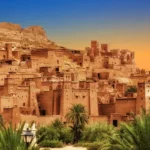
4 Day Desert tour from Fes to Marrakech
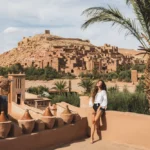
5 Days tour from Fes to Marrakech
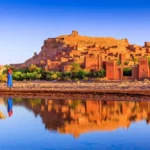
7 Days Morocco Tour from Fes
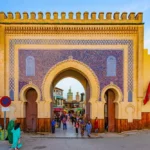
8 days Morocco itinerary from Tangier
5 Days Morocco Tour from Tangier
Morocco 6-day trip from Tangier
Morocco itinerary 7 days from Tangier
10 Day Morocco Tour from Tangier
13-day Morocco tour from Tangier
9-day Morocco tour from Marrakech
7 days tour from Marrakech to Fes
2 days from Marrakech to Merzouga
2 Days Marrakech to Fes Tour