Picture yourself wandering through vibrant souks filled with spices, exploring ancient medinas, and watching the sunset over the Sahara. This North African kingdom calls to adventurous spirits seeking authentic cultural experiences.
Many American visitors wonder about security in this fascinating destination. Current international ratings provide helpful context for your planning. The Global Peace Index places this country 78th worldwide, while the U.S. State Department recommends exercising increased caution.
What makes this place so captivating? A rich blend of Berber, Arab, and European influences creates unique encounters around every corner. Millions of explorers discover its magic each year despite some concerns.
Our comprehensive guide draws from official sources and real experiences. You’ll find balanced, practical advice for navigating different regions and situations. We cover everything from health preparations to cultural considerations.
With proper awareness and precautions, your journey can be both secure and incredibly rewarding. This resource helps you make informed decisions for an unforgettable adventure.
Key Takeaways
- Morocco holds a medium-risk assessment on international travel safety maps
- The U.S. State Department’s Level 2 advisory suggests exercising increased caution
- This destination ranks 78th out of 163 countries in global peace measurements
- Cultural richness draws millions of visitors despite some security considerations
- Regional variations exist, requiring different approaches across the country
- Practical preparations significantly enhance your security and enjoyment
- This guide combines official data with real traveler experiences for balanced advice
Understanding Morocco’s Safety Landscape
The country maintains a complex security environment with specific challenges and dedicated protections. Your awareness of both aspects enhances personal safety during visits.
Overview of Crime and Security
Petty theft represents the most common security concern for visitors. Pickpocketing and purse snatching occur in crowded medinas and market areas. Scammers often target tourists in popular zones.
More serious violent crimes remain relatively rare compared to neighboring countries. The table below shows common security issues and their frequency:
| Crime Type | Common Locations | Frequency Level |
|---|---|---|
| Pickpocketing | Medinas, markets, beaches | High |
| Credit card fraud | ATMs, shops, restaurants | Medium |
| Armed robbery | Quiet streets, late hours | Low |
| Scams targeting tourists | Tourist areas, transport hubs | Medium-High |
Government Efforts and Tourist Protection
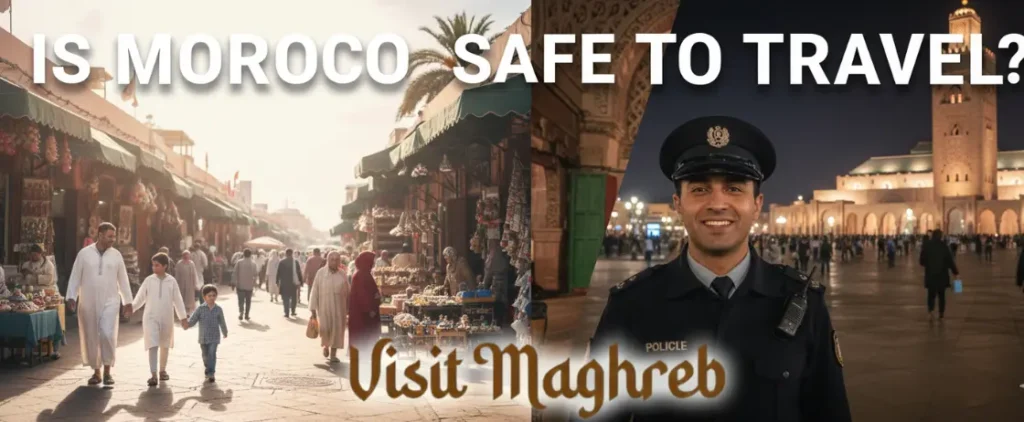
The government prioritizes visitor security through dedicated tourist police units. Crimes against foreigners receive immediate attention from authorities.
Tourism contributes significantly to the national economy. This economic importance drives strong protective measures throughout the country. Security services maintain visible presence in tourist areas.
Financial crimes like ATM theft occur but prompt reporting leads to serious investigation. The overall security infrastructure supports confident travel with proper precautions.
is morocco safe to travel: Expert Guide and Considerations
Global Guardian’s evaluation presents a comprehensive view of current security measures. This professional security firm generally considers the destination safe for visitors.
The U.S. State Department maintains a Level 2 advisory for this North African kingdom. Their official statement notes ongoing terrorist plotting. “Terrorist groups continue plotting possible attacks,” the advisory warns.
These threats primarily involve small, independent cells. ISIS-inspired groups represent the main concern. Major incidents remain rare in recent years.
| Security Source | Assessment Level | Primary Concerns |
|---|---|---|
| Global Guardian | Generally Safe | Petty crime, isolated incidents |
| U.S. State Department | Level 2: Increased Caution | Terrorism, tourist targeting |
| Recent Incident History | Low Frequency | 2011 Marrakech bombing, 2018 tourist deaths |
Expert advice helps travelers interpret these assessments correctly. A Level 2 rating doesn’t mean avoiding the country entirely. It signals the need for increased awareness during your visit.
Security professionals emphasize Morocco’s developed tourist infrastructure. Government measures and political stability make it safer than many regional destinations. Millions of travelers visit annually without incident.
This guide provides balanced security information. No destination offers complete risk elimination. Proper preparation enables safe exploration of rich cultural experiences.
Regional Safety Considerations and Travel Advisories
Your journey’s safety depends heavily on which specific areas you choose to explore. Different regions present distinct security profiles requiring varied approaches.
Terrorism and Border Risks
The Western Sahara region demands particular caution. A militarized boundary called the Berm separates Moroccan-controlled territory from zones bordering Algeria and Mauritania.
Unexploded landmines remain scattered throughout remote parts of this former conflict area. Fatalities occur yearly from forgotten ordnance.
Border crossings into Algeria are prohibited by land or water. The maritime boundary between these countries also presents security concerns for boaters.
Certain territories have elevated terrorism risks. Guelmim-Oued Noun, Laayoune-Sakia El Hamra, and Dakhla-Oued Ed-Dahab fall under Sahrawi Arab Democratic Republic administration rather than Moroccan government control.
Areas to Avoid and Local Advisories
Security experts recommend avoiding the Rif Mountains entirely. Remote regions near Algerian and Mauritanian borders carry kidnapping threats against Western travelers.
Stick to officially designated tourist places when exploring southern areas. Hiring guides recommended by hotels or travel agencies provides essential desert security.
Venturing into border regions or remote locations at night significantly increases risk exposure. Careful planning using current government advisories ensures safer exploration.
Staying Safe: Key Travel Tips and Precautions
Arm yourself with essential strategies that protect both belongings and peace of mind. These practical safety precautions help you navigate bustling areas confidently.
Practical Safety Tips for Tourists
Exercise constant caution in crowded medinas and busy street markets. Keep valuables secure and avoid displaying expensive jewelry.
Stick to main roads when exploring unfamiliar areas. After dark, theft risks increase significantly. Never resist during robbery attempts.
Financial safety requires careful attention. Cover ATM keypads when entering your PIN. Use machines in public areas or inside banks.
Monitor card transactions closely. Avoid irregular card readers. Keep identification documents accessible for frequent checkpoints.
Preventing Scams and Theft
Common scams target unsuspecting travelers. Fake guides offer friendly assistance but steer you toward commission-paying shops.
“Free” henna sessions often demand payment afterward. Persistent merchants may follow you offering “special prices.”
Always negotiate taxi fares before riding. Meters should be clearly visible. Firmly decline unwanted services with clear language.
Your vigilance balances enjoyment with protection. These tips help you experience rich culture while avoiding common pitfalls.
Health & Emergency Preparedness in Morocco
Proper health planning forms the foundation of any successful journey. Your medical readiness ensures you can fully enjoy rich cultural experiences without unexpected health interruptions.
Vaccination and Health Precautions
Update routine vaccinations before departure. These include measles, mumps, rubella (MMR), and tetanus shots. Consult your doctor about additional precautions like Hepatitis A and Typhoid vaccines.
Follow simple food safety rules during your trip. Remember the traveler’s mantra: “Boil it, cook it, peel it, or leave it.” This advice helps prevent common stomach issues.
Pack essential medications and a basic first-aid kit. Research local pharmacy availability in different regions. Many travelers find pharmacies well-stocked in urban areas.
Emergency Contacts and Travel Insurance
Save critical numbers in your phone immediately. Police respond at 19, while medical emergencies use 15. The Royal Gendarmerie handles rural security at 177.
Medical care quality varies significantly across the country. Major cities like Casablanca offer good private facilities. Public hospitals may not meet international standards.
Travel insurance becomes absolutely essential for peace of mind. Make sure your policy covers medical evacuation and hospital stays. This insurance protects you from unexpected costs during emergency situations.
Doctors often expect immediate cash payment for services. Your travel insurance should provide direct billing options whenever possible. Comprehensive coverage makes all the difference when you need medical attention.
Cultural Norms, Legal Matters, & Women’s Safety
Cultural awareness becomes your most valuable travel companion when exploring traditional societies. Understanding local expectations helps you navigate daily interactions with confidence and respect.
Dress, Behavior, and Local Customs
Modest clothing significantly reduces unwanted attention for women traveling alone. Choose loose-fitting pants and shoulder-covering tops during daytime activities. Traditional jellabah robes offer excellent cultural integration.
Public behavior requires discretion in this conservative country. Avoid physical displays of affection in public spaces. Respect religious traditions and social customs throughout your visit.
Legal Considerations and Women’s Protection
Local laws reflect Islamic principles that may differ from Western norms. Extramarital relationships face legal restrictions. Hotels may request marriage certificates for couples sharing rooms.
Certain materials and behaviors carry legal consequences. Pornographic content remains prohibited nationwide. Same-sex relationships violate local statutes.
| Harassment Type | Common Locations | Recommended Response |
|---|---|---|
| Verbal catcalling | Markets, public streets | Ignore and continue walking |
| Unwanted approaches | Tourist areas, transport hubs | Firm “no thank you” in clear English |
| Swimsuit attention | Public beaches | Choose tourist-designated beach areas |
Most harassment involves verbal exchanges rather than physical threats. Your clothing choices and confident demeanor help minimize uncomfortable encounters. Millions of female travelers visit successfully each year by respecting local culture.
Transportation in Morocco: Getting Around Safely
Your mobility choices significantly impact both your security and overall travel experience. Understanding the available options helps you navigate confidently.
Choosing Reliable Transport Options
First-class trains offer the most comfortable way to connect major cities. They provide punctual, secure service between urban centers.
For long-distance bus travel, CTM buses remain a decent choice. Always select seats near the driver for better safety.
Official small taxis with meters work best for urban trips. Avoid shared grand taxis where you sit squeezed against strangers.
Tips for Navigating Local Systems
Driving at night presents serious risks due to poor road conditions. Unpredictable traffic patterns create dangerous situations.
National roads are narrow and heavily congested despite good maintenance. Highways require extreme caution, especially the Rabat-Casablanca route.
Hiring professional guides through hotels or agencies provides essential support. They know the safest routes and local customs.
These precautions ensure your transportation choices enhance rather than compromise your journey.
Real Traveler Experiences and Testimonials
Personal accounts from travelers who’ve explored this destination reveal both the challenges and rewards of the experience. These real stories help you prepare for your own trip with balanced expectations.
Women’s Perspectives on Safety
Sarah, who journeyed alone for two weeks, shares: “I was amazed by local hospitality! A family invited me to share their meal without expecting anything.” These authentic moments make the travel worthwhile.
Laura faced challenges in Marrakech: “A group followed me in the medina for an hour. I took refuge in a riad where staff helped immediately.” Her story shows effective responses to difficult situations.
| Positive Experiences | Challenging Situations | Effective Responses |
|---|---|---|
| Family hospitality in Chefchaouen | Harassment in crowded medinas | Seeking help from hotel staff |
| Respectful interactions with locals | Unwanted attention on beaches | Clear, firm communication |
| Community support during incidents | Persistent vendor approaches | Confident body language |
Insights from Frequent Travelers
Marie, a regular visitor, emphasizes attitude: “I greet people in Arabic, and it changes everything. Locals appreciate the effort and show more respect.”
Camille’s Agadir experience turned positive when passersby intervened during an uncomfortable situation. This demonstrates community protection for visitors.
These testimonials highlight that magical moments outweigh occasional inconveniences. Your safe travel depends on maintaining awareness while embracing rich cultural experiences.
Conclusion
Millions of visitors discover the magic of this culturally rich country each year through careful planning. The Level 2 advisory from the U.S. government signals the need for increased attention rather than avoidance. This destination offers extraordinary experiences for informed tourists.
Make sure you have emergency numbers saved: Police (19), Royal Gendarmerie (177), and Medical (15). Comprehensive travel insurance provides essential protection. Follow our practical tips for navigating cities and beaches confidently.
Your trip success depends on preparation and respectful engagement. Many people visit magnificent places like Marrakech and Fez without incident. Approach this adventure with awareness and enjoy the remarkable cultural experiences that await.
FAQ
What are the main safety concerns for tourists in this country?
Is it safe for women to travel alone in Morocco?
Are there any specific areas or cities I should avoid?
What is the best way to handle money and avoid theft?
How reliable is public transportation for getting around?
Do I need any special vaccinations before my trip?
What should I do in case of an emergency?
How can I be respectful of local culture and customs?
Is Morocco Safe to Travel? Travel Safety & Package Tour Guide
3 days from Marrakech to merzouga
Fes to ifrane and Cedar Forest day trip
Fes to Volubilis and Meknes day trip
Day trip Fes to Chefchaouen
Ouzoud Waterfalls day trip from Marrakech
Ait ben haddou day trip from Marrakech
Essaouira day tour from Marrakech
Merzouga Quad Tour
Overnight camel trek Merzouga
Merzouga 4×4 desert excursion
4 Days tour from Ouarzazate to Merzouga Desert
3 Days desert tour from Ouarzazate to Fes
2 Days Desert tour from Ouarzazate to Fes
4 Day Errachidia to Marrakech Desert Tour
3 Days Desert tour Errachidia to Marrakech
3 Days tour from Errachidia to Merzouga Desert
2 Day Trip Fes to Merzouga Desert
Fes to Marrakech desert tour 2 days
3 Days tour from Fes to Merzouga
Fes to Marrakech Desert tour 3 days
4 Days from Fes to Merzouga Desert
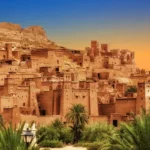
4 Day Desert tour from Fes to Marrakech
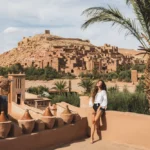
5 Days tour from Fes to Marrakech
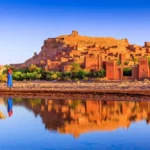
7 Days Morocco Tour from Fes
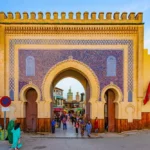
8 days Morocco itinerary from Tangier
5 Days Morocco Tour from Tangier
Morocco 6-day trip from Tangier
Morocco itinerary 7 days from Tangier
10 Day Morocco Tour from Tangier
13-day Morocco tour from Tangier
9-day Morocco tour from Marrakech
7 days tour from Marrakech to Fes
2 days from Marrakech to Merzouga
2 Days Marrakech to Fes Tour