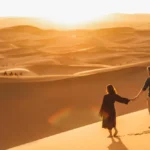
Imagine standing at the edge of the Sahara as the sun dips below the dunes, painting the sky in hues of orange and purple. The air is warm but comfortable, perfect for the moment. This magical experience hinges on one crucial decision: when you choose to explore this incredible country.
Morocco offers adventures all year long. But picking the right season transforms a good vacation into an extraordinary one. You can enjoy perfect weather, vibrant local festivals, and explore without huge crowds.
This guide is your first step. We will walk you through the seasonal rhythms of this North African nation. You will learn about regional climate differences, from the Atlas Mountains to the Atlantic coast.
Understanding these patterns helps you match your trip to your dreams. Whether you crave bustling medinas or peaceful beaches, timing is everything. Let’s find the ideal period for your journey.
Key Takeaways
- Morocco is a year-round destination, but season choice dramatically impacts your experience.
- Spring and fall are widely considered the most pleasant seasons for comfortable exploration.
- The country has diverse climate zones, meaning weather varies by region.
- Aligning your visit with cultural events can add a unique layer to your trip.
- Your personal interests, from city tours to desert treks, should guide your timing decision.
- Planning around seasonal weather ensures greater comfort and enjoyment.
- This guide provides the details needed to choose your perfect travel dates.
Morocco at a Glance: Climate and Culture
From bustling medinas to tranquil mountain villages, Morocco’s character is defined by the interplay of climate and customs. This North African nation offers a rich tapestry where geography shapes daily life.
Introduction to Morocco’s Rich Heritage
Morocco’s unique culture blends Berber, Arab, and French influences. You’ll see this fusion in architecture, cuisine, and crafts throughout the country.
The predominantly Islamic identity influences many aspects of your visit. Dress codes and dining customs reflect local traditions. Yet Morocco maintains a welcoming atmosphere for international guests.
Overview of the Country’s Climate
Morocco’s weather varies dramatically across different regions. The north enjoys Mediterranean conditions with mild winters. Inland areas experience warmer, arid climate with high temperatures.
Coastal zones maintain moderate temperatures around 70-80°F all year. This diversity means you can experience multiple weather patterns in one trip.
Understanding these climate zones helps you plan effectively. Each area offers distinct conditions that shape your experience in this fascinating country.
Exploring Regional Weather and Temperature Trends
From temperate coastal towns to extreme desert environments, regional weather dictates your itinerary. Morocco’s diverse geography creates distinct climate zones with unique conditions. Understanding these patterns helps you plan effectively.
Coastal Versus Inland Climate Differences
Atlantic breezes keep coastal regions comfortable year-round. Cities like Essaouira and Agadir enjoy moderate temperatures even in summer. Water temperatures reach perfect swimming levels around 77°F in August.
Inland areas experience more extreme weather. Marrakesh and Fes often see summer heat exceeding 100°F. The lack of ocean moderation creates challenging midday exploration conditions.
Mountain Regions and Desert Extremes
The Atlas mountains offer cooler temperatures at higher elevations. These areas provide summer refuge from heat. Winter brings snow and excellent trekking opportunities.
Desert regions feature dramatic daily temperature swings. Summer heat closes many camps, while winter nights require warm layers. Rainfall patterns vary significantly across these zones.
Northern areas receive more rainfall from Mediterranean influences. Southern desert zones remain extremely arid. The mountains create their own precipitation patterns.
best time to travel to morocco: Seasonal Breakdown
Seasonal shifts dramatically transform Morocco’s landscapes and travel conditions. Understanding these patterns helps you match your visit to your preferred activities.
Each season opens different doors for exploration. Your choice depends on what you want to experience most.
Spring and Autumn Highlights
Spring months from March to May bring perfect conditions. The countryside blooms with wildflowers after winter rains.
Daytime temperatures climb comfortably into the 60s and 70s. This is an ideal time for hiking in the Atlas Mountains.
Autumn offers similar advantages from September to November. The intense summer heat gives way to pleasant temperatures.
Desert exploration becomes more comfortable during these months. Both seasons represent the golden window for most visitors.
Winter and Summer Considerations
Summer brings intense heat, especially inland. Coastal areas remain pleasant with ocean breezes.
This season works well for beach-focused trips. However, desert camps often close due to extreme conditions.
Winter offers cooler temperatures and fewer crowds. The Atlas Mountains provide excellent trekking conditions.
While some areas see rain, this time of year reveals a quieter, more authentic side of the country.
Each season has its unique charm. Your perfect travel dates depend on your personal comfort and interests.
Planning Your Adventure: Outdoor Activities and Festivals
Morocco’s vibrant cultural tapestry comes alive through its annual celebrations and outdoor pursuits. These experiences allow you to connect deeply with local traditions while enjoying the country’s stunning landscapes.
Festival Calendar and Cultural Events
The year begins with Yennayer, the Amazigh New Year, celebrated in January. Traditional Berber communities gather for feasts and dancing in the High Atlas.
Spring brings colorful festivals like the Almond Blossom celebration in Tafraout. The International Nomad festival in March showcases nomadic culture at M’Hamid El Ghizlane.
May features the spectacular Festival of the Roses in M’Goun Valley. Summer festivals include Essaouira’s Gnaoua Music Festival and Fes’s World Sacred Music event.
Outdoor Adventure Opportunities
Your adventure options span from coastal surfing to mountain hiking. The Atlantic coast offers ideal surfing conditions from March through September.
Spring and autumn provide perfect weather for hiking in the Atlas Mountains. You can trek North Africa’s highest peak, Mount Toubkal.
April hosts the challenging Marathon Des Sables in the Sahara. These activities create unforgettable adventure days.
From camel rides to mountain biking, Morocco’s diverse activities suit every traveler. Plan your days around these unique opportunities for an authentic experience.
City Highlights: Experience the Buzz in Morocco’s Metropolises
Urban explorers find Morocco’s vibrant cities offer distinct experiences that vary by season. Each metropolis presents unique charms that shine during specific periods.
Exploring Marrakesh, Fes, and Chefchaouen
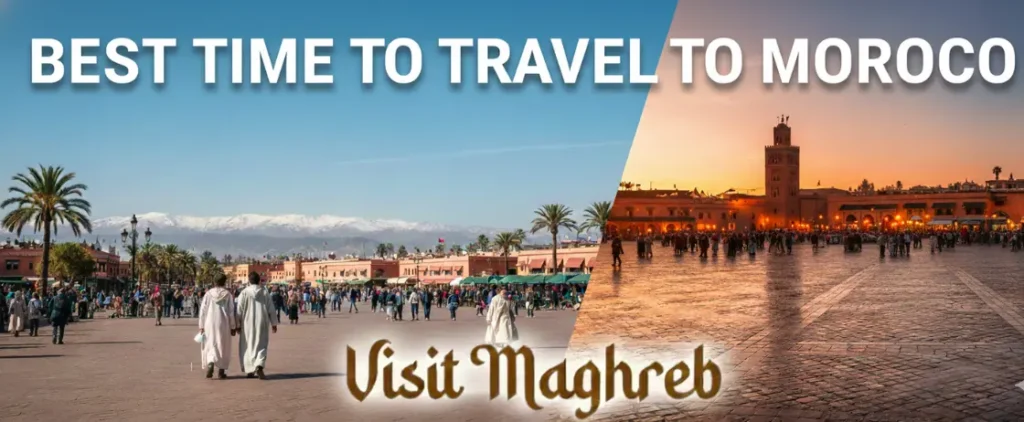
Marrakesh captivates with its mysterious aura and exotic energy. The famous Jemaa el-Fnaa square comes alive at dusk with storytellers and food stalls.
Fes stands as Morocco’s cultural capital with ancient tanneries and historic madrasas. This 9th-century city lets you step back in time through its UNESCO-listed medina.
Chefchaouen enchants visitors with its iconic blue-washed walls and relaxed mountain atmosphere. The shady alleyways and wrought-iron windows create perfect photo opportunities.
Cultural Hotspots and Best Visiting Times
The ideal time visit for these urban centers falls during shoulder seasons. Spring and autumn provide mild temperatures perfect for exploring.
April and October emerge as perfect months for city hopping. You’ll encounter smaller crowds and comfortable weather conditions.
Summer months bring intense heat, especially in inland cities. Plan your day with early starts and midday breaks in cool cafes or museums.
Winter offers quieter streets with fewer tourists. You’ll need layers for cooler temperatures but enjoy more intimate experiences.
Coastal cities like Casablanca remain pleasant year-round. Their ocean breezes provide relief even during warmer months.
Coastal Escapes and Desert Adventures
The rhythm of travel in Morocco shifts between ocean breezes and desert winds throughout the year. Your choice between these landscapes depends heavily on seasonal conditions.
Beach Retreats and Seaside Activities
Between June and September, travelers flock to Morocco’s Atlantic coast to escape inland heat. The ocean provides natural cooling with refreshing breezes.
Water temperatures reach perfect swimming levels around 77°F in August. This creates ideal conditions for surfing, kitesurfing, and windsurfing.
Essaouira and Taghazout stand out for their consistent waves from March through September. These towns offer complete beach experiences with seaside yoga and fresh seafood.
Desert adventures follow an opposite seasonal pattern. The Sahara becomes challenging during summer months when most camps close.
Autumn through winter brings comfortable conditions for camel treks and stargazing. November to February sees peak visitation with manageable daytime temperatures.
Remember to pack warm layers for surprisingly cold desert nights. The temperature drops dramatically after sunset in these arid landscapes.
| Region | Prime Season | Activities | Considerations |
|---|---|---|---|
| Atlantic Coast | June-September | Surfing, swimming, beach relaxation | Refreshing breezes moderate the heat |
| Mediterranean Coast | June-August | Water sports, seaside dining | Warmer water temperatures than Atlantic |
| Sahara Desert | September-February | Camel treks, camping, stargazing | Cold nights require warm clothing |
| Desert Camps | November-March | Overnight experiences, cultural tours | Most closed June-August due to extreme heat |
Strategic planning lets you experience both coast and desert in one trip. Late spring or early autumn offers acceptable conditions for both regions.
A winter journey might include desert exploration followed by coastal city visits. This approach maximizes your Moroccan adventures across different landscapes.
Expert Tips for Timing Your Trip Around Ramadan and Local Events
Understanding religious observances can significantly enhance your Moroccan journey planning. The Islamic calendar shapes daily life throughout the country.
Major holidays create unique rhythms that affect services and atmosphere. Being aware of these events helps you choose optimal travel dates.
Navigating Ramadan Schedules and Adjustments
Ramadan occurs during a different month each year based on the lunar calendar. This holy period involves fasting from sunrise to sunset.
Many businesses adjust their operating hours during daytime. Restaurants and shops may open later or close early.
“The evening transformation during Ramadan reveals Morocco’s true communal spirit as families gather for iftar meals.”
Evenings become vibrant celebrations after sunset. Streets fill with people breaking their fast together.
Plan your daytime activities around museum visits and sightseeing. Save evenings for experiencing the festive atmosphere.
| Consideration | Ramadan Period | Regular Months |
|---|---|---|
| Restaurant Hours | Limited daytime, extended evenings | Standard operating hours |
| Cultural Experience | Unique evening celebrations | Normal daily rhythms |
| Planning Flexibility | Required for adjusted schedules | More predictable timing |
Check the exact dates for your travel month. This helps you decide whether to embrace or avoid this special time.
Some travelers specifically choose this time for authentic cultural immersion. Others prefer more predictable service hours.
Customizing Your Itinerary: Tailor-Made Morocco Getaways
Personalized journey planning transforms a standard vacation into an unforgettable Moroccan experience tailored just for you. Each season offers unique advantages for different types of travelers.
Personalizing Your Travel Experience
Your ideal trip depends on what you want to experience most. Some visitors prefer cultural immersion during festive periods. Others seek outdoor adventures in optimal weather conditions.
Working with travel specialists ensures you receive expert guidance. They understand regional climate variations and can suggest the perfect time visit for your interests. This expertise helps maximize your enjoyment throughout your days in the country.
Spending 7-10 days allows for comprehensive exploration. This duration provides enough time to adjust to the climate and travel between regions. You can experience diverse landscapes without feeling rushed.
Strategic itinerary planning might combine coastal cities with mountain retreats. This approach lets you enjoy comfortable temperatures across different zones. Your accommodation choices should reflect your preferred travel style.
Whether you choose luxury riads or traditional guesthouses, proper planning enhances your entire experience. Each season reveals different aspects of this fascinating destination.
Conclusion
With the knowledge from this guide, you can now confidently select the ideal period for your Moroccan adventure. Your perfect time to visit Morocco depends entirely on your personal preferences and planned activities.
Spring and autumn months offer the most comfortable conditions for diverse experiences. These seasons provide ideal weather for exploring cities and hiking in the Atlas Mountains.
Summer suits coastal enthusiasts with warm waters and refreshing breezes. Winter reveals a quieter side of the country with excellent mountain trekking.
Each region showcases distinct landscapes throughout the year. Strategic planning lets you enjoy optimal conditions across different climate zones.
This comprehensive resource empowers you to craft the perfect itinerary. Your unforgettable journey through Morocco’s diverse beauty awaits.
FAQ
What months are ideal for avoiding the intense heat and large crowds?
How does the climate vary between coastal cities like Essaouira and inland areas like Marrakesh?
Is it possible to visit the Sahara Desert during the winter months?
Are there any major cultural festivals I should consider when planning my dates?
What should I know about traveling to Morocco during Ramadan?
What are the best conditions for hiking in the Atlas Mountains?
Best Time to Travel to Morocco – Weather, Seasons & Desert Tours
3 days from Marrakech to merzouga
Fes to ifrane and Cedar Forest day trip
Fes to Volubilis and Meknes day trip
Day trip Fes to Chefchaouen
Ouzoud Waterfalls day trip from Marrakech
Ait ben haddou day trip from Marrakech
Essaouira day tour from Marrakech
Merzouga Quad Tour
Overnight camel trek Merzouga
Merzouga 4×4 desert excursion
4 Days tour from Ouarzazate to Merzouga Desert
3 Days desert tour from Ouarzazate to Fes
2 Days Desert tour from Ouarzazate to Fes
4 Day Errachidia to Marrakech Desert Tour
3 Days Desert tour Errachidia to Marrakech
3 Days tour from Errachidia to Merzouga Desert
2 Day Trip Fes to Merzouga Desert
Fes to Marrakech desert tour 2 days
3 Days tour from Fes to Merzouga
Fes to Marrakech Desert tour 3 days
4 Days from Fes to Merzouga Desert
4 Day Desert tour from Fes to Marrakech
5 Days tour from Fes to Marrakech
7 Days Morocco Tour from Fes
8 days Morocco itinerary from Tangier
5 Days Morocco Tour from Tangier
Morocco 6-day trip from Tangier
Morocco itinerary 7 days from Tangier
10 Day Morocco Tour from Tangier
13-day Morocco tour from Tangier
9-day Morocco tour from Marrakech
7 days tour from Marrakech to Fes
2 days from Marrakech to Merzouga
2 Days Marrakech to Fes Tour