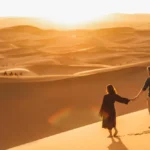

Imagine standing at the edge of the Sahara, feeling the cool night air after a day of intense sun. Picture yourself lost in the vibrant colors and sounds of a Marrakech souk. Your dream adventure is waiting, but its success hinges on one crucial choice.
Selecting the ideal period for your visit is about more than just dates on a calendar. It’s about matching the country’s rhythms to your personal desires. Do you seek bustling festivals or quiet contemplation? Sunny beach days or crisp mountain hikes?
This guide is designed to help you navigate that decision. We will explore how weather, cultural events, and regional diversity shape your experience. Our goal is to empower you with the insights needed to plan an unforgettable journey that feels made just for you.
From the Atlantic coast to the Atlas Mountains, the conditions change dramatically. Understanding these variations is the key to unlocking the perfect Moroccan experience tailored to your interests.
Key Takeaways
- Choosing the right time for your visit is essential for a fulfilling experience.
- Morocco offers diverse experiences year-round, from desert excursions to city exploration.
- Your personal interests should guide your decision on when to go.
- Weather patterns and cultural festivals are major factors to consider.
- Different regions of the country have unique seasonal highlights.
- This guide provides a detailed, month-by-month analysis to aid your planning.
Introduction to Morocco’s Travel Timing
The success of your Moroccan journey hinges on understanding how timing transforms every aspect of your experience, from bustling markets to quiet desert nights. This isn’t about finding one perfect date for everyone. It’s about matching your personal travel style with the country’s seasonal rhythms.
Setting the Stage for Your Dream Trip
Your choice of when to visit Morocco directly shapes your comfort and activities. The country’s diverse geography means coastal areas, imperial cities, and desert landscapes each have ideal windows.
Certain periods like April, May, October, and early November offer temperate conditions. These months balance pleasant weather with opportunities to join major events. You might experience the Marathon Des Sables in April.
Why Timing Matters for an Authentic Experience
The number of tourists fluctuates dramatically throughout the year. Your selected time determines whether you’ll encounter intimate moments or bustling crowds.
Cultural immersion depends heavily on your visit date. Local festivals and traditional celebrations provide deeper insights into Moroccan life. Planning in advance ensures you don’t miss these authentic experiences.
There’s no single “best time” for everyone to visit Morocco. Your ideal window depends on whether you prioritize weather, cultural events, or avoiding large numbers of visitors.
Understanding Moroccan Weather and Climate Patterns
The dramatic variations in Moroccan temperatures throughout the year create distinct travel experiences in different seasons. Your comfort and activity choices depend heavily on understanding these patterns across the country’s diverse regions.
Seasonal Temperature Variations
Summer brings intense heat from June through early September. Daytime temperatures often exceed 100°F in many areas. This period requires careful planning for outdoor activities.
Winter months from October through February show unpredictable weather. Some years bring moderate conditions while others feature wet, cold spells. Rain is most likely between November and February.
Spring and autumn offer more temperate conditions. These transitional seasons provide comfortable exploring weather across most regions.
Regional Climate Differences Across the Country
The north and northwest enjoy a Mediterranean climate. Coastal areas like Tangier benefit from cooling breezes. Inland cities experience warmer conditions.
Central regions feature warm, arid climates. Daytime temperatures regularly reach the high 90s here. The diverse landscapes create microclimates worth noting.
West Saharan coastal areas maintain moderate temperatures year-round. They typically stay between 70-80°F regardless of season. This makes them reliable destinations for your time visit.
The Atlas Mountains present their own unique weather patterns. Understanding regional differences helps you plan activities that match your comfort preferences during any time of year.
Coastal Escapes and Urban Retreats in Morocco
While the Sahara and mountains capture much attention, Morocco’s coastal cities provide equally compelling experiences. These destinations blend urban sophistication with seaside tranquility, creating perfect retreats during different seasons.
Exploring Vibrant Cities and Relaxing Beaches
From June through September, travelers flock to the coast to escape soaring inland temperatures. Northern Morocco’s water reaches a comfortable 77°F in August, ideal for swimming and water sports.
Popular coastal destinations include Tangier, Essaouira, and Taghazout. Each offers distinct character—from Tangier’s strategic position overlooking the Strait of Gibraltar to Essaouira’s laid-back atmosphere and water sports opportunities.
Major urban centers like Casablanca and Rabat leverage their coastal locations year-round. They attract visitors with cooler temperatures and beach access while maintaining urban sophistication. These cities balance modern amenities with maritime heritage.
Marrakech remains the primary cultural hub for most travelers. Meanwhile, coastal places provide completely different experiences—surfing lessons, seaside yoga, and fresh seafood dining.
Essaouira’s relaxed souks and cobalt fishing boats contrast with bustling urban markets. The city’s stone ramparts and kitesurfing conditions make it uniquely appealing.
Understanding these coastal cities helps you match destinations to your interests. Whether seeking beach relaxation or urban culture, Morocco’s coast offers diverse retreats.
Best month to travel to morocco: Key Considerations
Finding your perfect window for visiting Morocco means weighing weather patterns against crowd levels and activity opportunities. The ideal period for your journey depends on what you value most—comfortable exploration or specific adventures.
Weather Comfort and Tourist Crowds
Spring and autumn typically offer the most pleasant conditions across Morocco. Temperatures during these transitional seasons create comfortable environments for day-to-day exploration.
Popular periods attract larger numbers of visitors, requiring advance planning for accommodations. Shoulder seasons provide a sweet spot with manageable crowds and favorable weather. You’ll experience more authentic interactions during these times.
Ideal Conditions for Desert and Mountain Adventures
The Sahara desert presents unique challenges throughout the year. Summer heat can be extreme, with many desert camps closing during peak temperatures. Winter months offer more manageable conditions for camel rides and exploration.
Mountain regions like the Atlas Mountains have their own seasonal rhythms. Spring days provide excellent hiking conditions with comfortable daytime temperatures. Evenings may require additional layers, but the adventure rewards are substantial.
Your choice ultimately balances personal comfort with the specific experiences you seek. Each season offers distinct advantages for different types of travelers and activities.
Seasonal Activities and Festivals
Throughout the year, Morocco’s landscape comes alive with unique festivals and outdoor adventures. These cultural events provide deep immersion into local traditions. Your visit timing can align with spectacular celebrations across different regions.
Must-See Festivals and Cultural Highlights
Spring brings vibrant gatherings like the Almond Blossom Festival in Tafraout. Traditional Berber folk music fills the air amid flowering trees. The experience connects you with ancient agricultural traditions.
Summer heat coincides with exciting events. Essaouira’s Gnaoua Music Festival transforms the coastal town each June. July brings Jazzablanca to Casablanca with international jazz acts.
Autumn features the remarkable Imilchil Marriage Festival. Berber communities gather for matchmaking ceremonies in the Middle Atlas. September also offers multiple music festivals showcasing contemporary sounds.
Outdoor Adventures and Local Events
Seasonal weather patterns influence available activities. Spring provides ideal conditions for hiking before summer heat arrives. The Sahara desert becomes accessible for adventures like the Marathon Des Sables in April.
Coastal water sports thrive during warmer months. Winter offers comfortable desert exploration when daytime temperatures moderate. Each season presents distinct opportunities beyond festival dates.
Planning around specific events enhances your cultural experience. Popular festivals require advance accommodation bookings. Aligning your visit with these activities creates unforgettable memories.
Exploring Regional Destinations: Cities, Deserts, and Mountains
From ancient imperial cities to vast desert landscapes, Morocco’s destinations present distinct adventures. Each region offers unique experiences shaped by geography and climate.
Highlights of Marrakech, Fes, and Chefchaouen
Marrakech evolved from Almoravid desert warriors into a vibrant city where tradition meets modernity. The famous Jemaa el-Fnaa square comes alive each evening with storytellers and food stalls.
Fes serves as Morocco’s cultural capital with a 9th-century medina containing over 9,000 streets. You can spend days exploring tanneries and artisan workshops in this spiritual heart.
Chefchaouen’s blue-hued walls create a photographer’s paradise in the Rif Mountains. Cooler mountain temperatures make this perfect for intimate evening strolls through shady alleyways.
Discover the Sahara and Atlas Mountains
The Sahara desert offers camel treks and overnight camps under starry skies. September brings comfortable daytime conditions around 95°F for desert adventures.
The High Atlas mountain range features trekking through Berber villages to Mt Toubkal. These mountains provide stunning landscapes dotted with walnut and cherry trees.
Each destination requires different planning based on seasonal conditions. Coastal places offer relief during summer heat, while cooler periods suit desert and mountain explorations.
Insider Travel Tips and Safety Insights
Your experience in Morocco will be enriched by showing respect for the country’s traditions and cultural norms. Understanding local customs ensures your journey is both safe and meaningful.
Local Customs and Essential Safety Tips
Morocco maintains a predominantly Islamic culture with a relaxed atmosphere. This makes the country generally safer than many neighboring nations. Your trip benefits from this welcoming environment.
Dress codes vary significantly across different areas. Western clothing works well in central cities like Casablanca and Marrakech when kept smart. The way you present yourself matters in urban settings.
When traveling to rural villages, desert regions, or highland areas, modest dress shows respect. Covering shoulders and knees helps you blend in better. This approach avoids unwanted attention in traditional communities.
Safety extends beyond clothing choices. Learn basic greetings and bargaining etiquette for market interactions. Always ask permission before photographing local people.
Respecting cultural norms opens doors to authentic experiences throughout the country. Your thoughtful approach transforms a simple vacation into a meaningful cultural exchange.
What to Pack and Dress for Every Adventure
Smart packing is your secret weapon for adapting to Morocco’s dramatic temperature shifts. The right clothing choices ensure comfort as you move between different regions and conditions.
Packing Essentials Based on Weather Conditions
Layers are essential for handling varying temperatures throughout the day. September days can be hot, especially inland, while evenings cool quickly in desert and mountain areas.
Choose natural fabrics like linen, cotton, or bamboo blends. These materials breathe well in the heat and feel comfortable during long exploration days. Avoid synthetic fabrics that trap warmth.
Your footwear should balance comfort and respect. Closed-toe shoes work well for souk walking, while sandals suit beach areas. Always consider the season and your planned activities.
Modest Dress and Respecting Local Etiquette
Dress modestly to show respect in this culturally rich country. Loose-fitting clothing works beautifully for both comfort and cultural sensitivity.
Women can opt for maxi dresses, flowy trousers, or midi skirts paired with T-shirts. A lightweight scarf serves multiple purposes—sun protection, modesty coverage, and evening warmth.
Men should choose breathable linen or cotton shirts with loose trousers. In conservative areas, longer pants are more appropriate than shorts. A sun hat and sunglasses protect against intense daylight.
These packing strategies prepare you for diverse weather conditions across regions. You’ll stay comfortable from the High Atlas mountains to desert areas, regardless of the season.
Conclusion
The perfect Moroccan experience is waiting for you, tailored to your personal travel style. Your ideal time visit depends entirely on what you want from your trip.
While spring and autumn months often provide the best time for comfortable weather and manageable crowds, every season offers unique opportunities. Each month of the year reveals different aspects of this fascinating country.
Whether you seek cultural festivals, outdoor adventures, or peaceful exploration, there’s an ideal time for your interests. The way you experience Morocco’s diverse places transforms with the seasons.
Your research and planning will ensure your trip becomes the dream adventure you envision. When you visit morocco, you’ll discover that the right timing makes all the difference for an unforgettable trip.
FAQ
What is the ideal time to visit Morocco for pleasant weather?
How crowded is Morocco during the peak tourist season?
Is it safe to travel to the Sahara Desert in the summer?
What cultural festivals should I plan my trip around?
What should I pack for a trip that includes both cities and mountains?
Best Month to Travel to Morocco – Weather, Seasons & Desert Tours
3 days from Marrakech to merzouga
Fes to ifrane and Cedar Forest day trip
Fes to Volubilis and Meknes day trip
Day trip Fes to Chefchaouen
Ouzoud Waterfalls day trip from Marrakech
Ait ben haddou day trip from Marrakech
Essaouira day tour from Marrakech
Merzouga Quad Tour
Overnight camel trek Merzouga
Merzouga 4×4 desert excursion
4 Days tour from Ouarzazate to Merzouga Desert
3 Days desert tour from Ouarzazate to Fes
2 Days Desert tour from Ouarzazate to Fes
4 Day Errachidia to Marrakech Desert Tour
3 Days Desert tour Errachidia to Marrakech
3 Days tour from Errachidia to Merzouga Desert
2 Day Trip Fes to Merzouga Desert
Fes to Marrakech desert tour 2 days
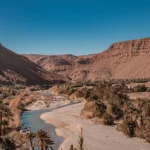
3 Days tour from Fes to Merzouga
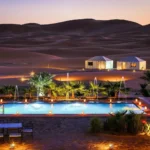
Fes to Marrakech Desert tour 3 days
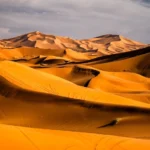
4 Days from Fes to Merzouga Desert
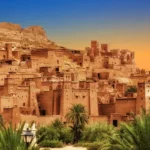
4 Day Desert tour from Fes to Marrakech
5 Days tour from Fes to Marrakech
7 Days Morocco Tour from Fes
8 days Morocco itinerary from Tangier
5 Days Morocco Tour from Tangier
Morocco 6-day trip from Tangier
Morocco itinerary 7 days from Tangier
10 Day Morocco Tour from Tangier
13-day Morocco tour from Tangier
9-day Morocco tour from Marrakech
7 days tour from Marrakech to Fes
2 days from Marrakech to Merzouga
2 Days Marrakech to Fes Tour